

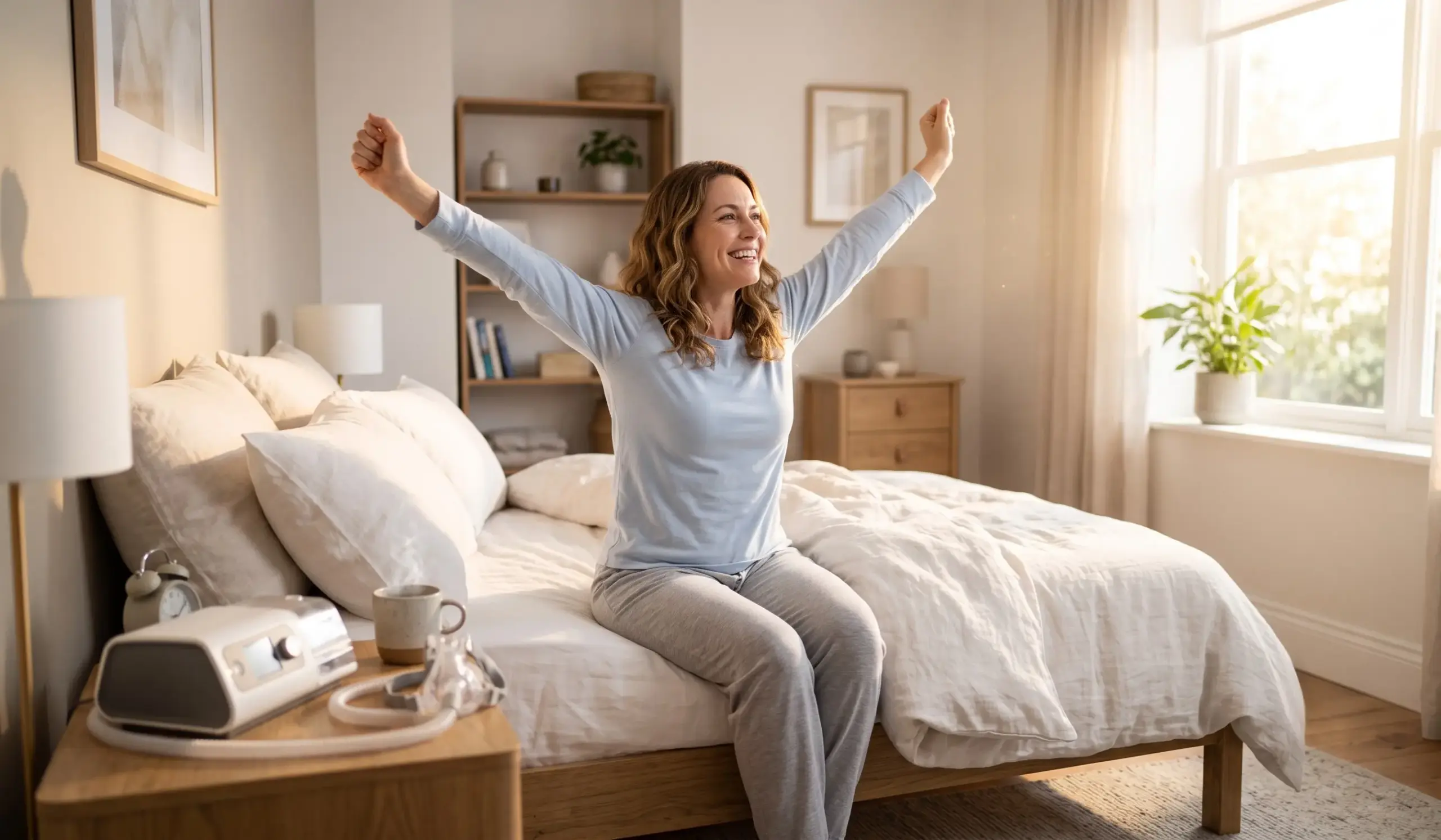
You wake up already tired. Your partner mentions, again, that you stopped breathing at 3am. Coffee helps for an hour, then the fog rolls back in. If any of that sounds familiar, you've probably already heard the word CPAP, and you're probably wondering if it actually works, what it costs, and whether you really need to wait months to try one.
Short answer: it works for most people, it's not as expensive as you might think, and you don't have to wait. Here's everything you need to know, from how a CPAP machine actually works to what you'll pay for one in the UK today.
Explication de la machine CPAP
Here's what's actually happening while you sleep with obstructive sleep apnea: your throat muscles relax, your airway narrows or closes, and your brain jolts you awake, sometimes hundreds of times a night, just enough to reopen it. You rarely remember these micro-wakings. Your body remembers them for you, in the form of exhaustion.
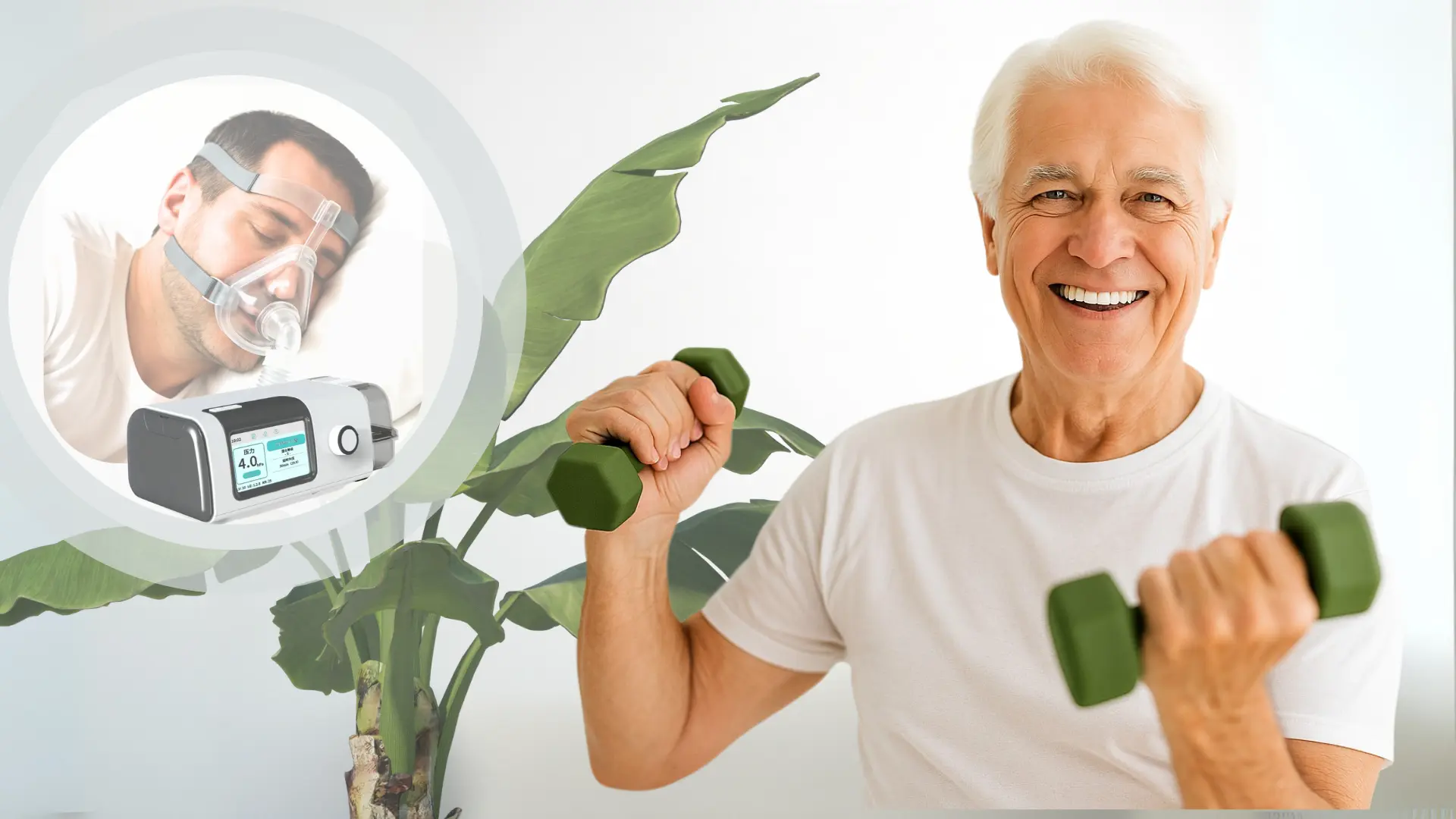
A Appareil de PPC (pression positive continue) stops this cycle before it starts. It delivers a steady stream of pressurized air through a mask, which acts like an invisible splint holding your airway open all night. No collapse, no gasping, no jolt awake. Just uninterrupted breathing.
Fonctionnement et avantages d'un appareil de PPC
The mechanics are simple, but the effect on daily life is not. Here's what actually changes once you're using one properly:
- Support de flux d'air : La machine pompe de l'air à travers un masque dans votre nez ou votre bouche.
- Prévient l'affaissement des voies respiratoires : Empêche les muscles de la gorge de bloquer le passage de l'air.
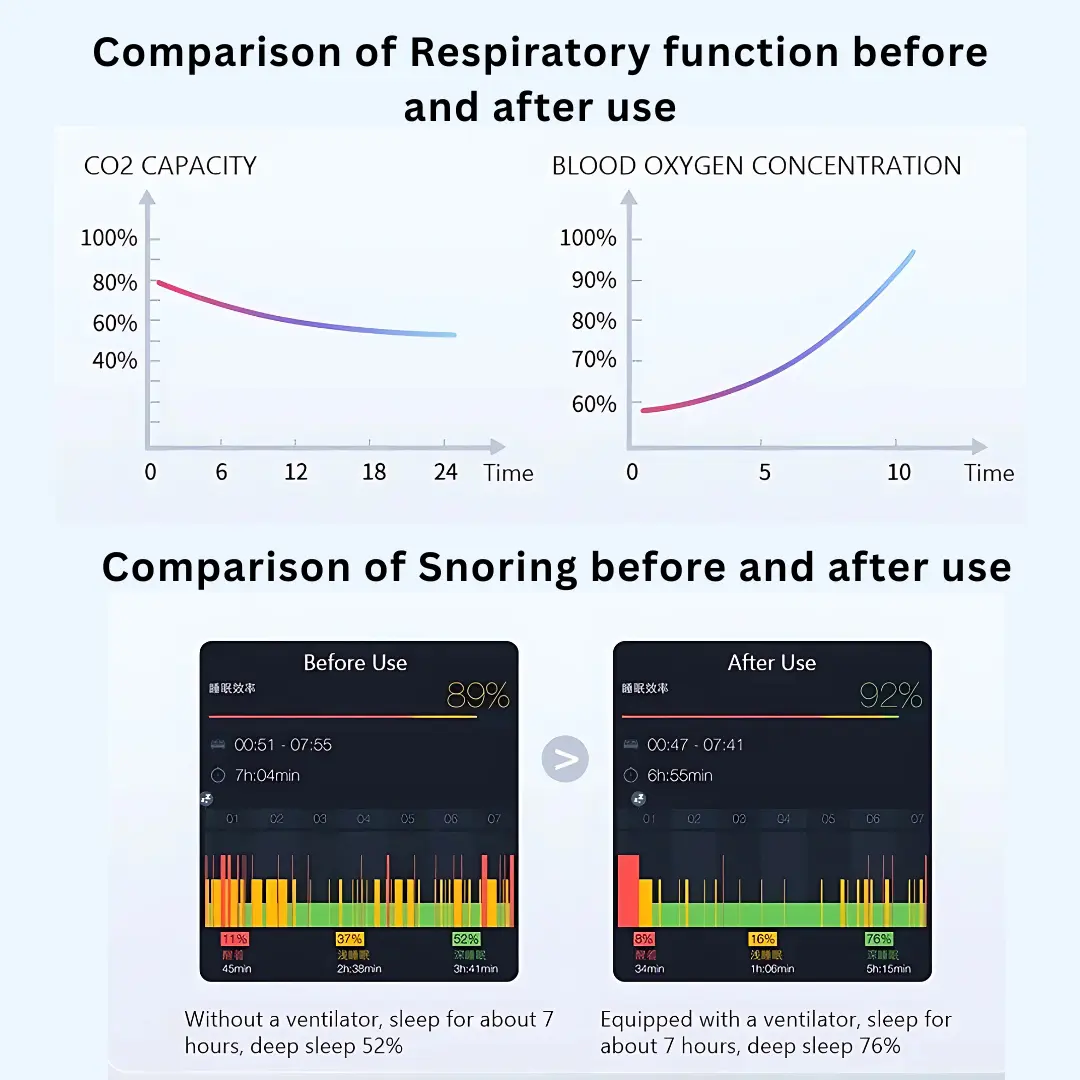
- Une meilleure qualité de sommeil : Réduit les réveils nocturnes et améliore le sommeil profond.
- Énergie de jour : Un sommeil réparateur signifie moins de fatigue, plus de concentration et une meilleure humeur.
- Avantages pour la santé à long terme : Réduit le risque de maladie cardiaque, d'hypertension artérielle et d'accident vasculaire cérébral souvent lié à l'apnée du sommeil non traitée.
For people who need oxygen support beyond CPAP, check our Oxygen Generator Machine 7L, YK-108N ou Concentrateur d'oxygène portable 1-5L.
Can I Buy a CPAP Machine in the UK?
Yes, and you can do it today. A lot of people assume CPAP only comes through the NHS after a sleep study and a referral, which can take months. It doesn't have to. Broxtal sells certified CPAP machines directly, no prescription, no waiting list, with free UK delivery. If the exhaustion is already affecting your work, your driving, or your relationships, waiting isn't really an option. For the full picture on prescriptions and eligibility, read Can You Buy a CPAP Machine in the UK Without the NHS?
CPAP Machine Price UK
Let's talk numbers, because vague pricing helps no one. A CPAP machine isn't a one-size-fits-all purchase, features like auto-adjusting pressure, built-in humidifiers, and noise level all shift the price. Here's exactly what you'd pay right now at Broxtal:
| Modèle | Prix | Key feature |
|---|---|---|
| YA LING Smart CPAP/APAP Machine | £399 | Auto APAP mode, humidifier, 22.7dB |
| Machine Auto-S CPAP/APAP | £429 | 3 therapy modes, SD card tracking |
| Ventmed Auto CPAP Machine | £479 | Includes mask and humidifier hose |
| Mini machine CPAP portable YA50Pro | £489 | Compact, portable design |
Prices correct at time of writing and subject to change, check the product page for the current live price.
For a full private vs NHS price comparison, see CPAP Machine Cost UK: NHS vs Private.
No referral, no waiting list, just better sleep on its way.
Shop CPAP Machines UKCPAP Machine NHS Cost
If you're referred and eligible through the NHS, your CPAP machine is usually free. The catch is time, referral, sleep study, and assessment can take months, and during that stretch you're still not sleeping properly. Buying privately flips that trade: you pay upfront, but you're breathing easier this week instead of next spring. That's why so many people buy directly while they wait for, or instead of, an NHS pathway.
Utilisation et effets secondaires des appareils de PPC
CPAP is mainly known for one job, treating sleep apnea, but it earns its keep in a couple of other ways too:
- Sleep apnea treatment (its primary purpose)
- Reducing or eliminating snoring
- Improving overall oxygen intake during sleep
Now, the honest part. Most new users deal with some combination of dry mouth, a stuffy nose, or a mask that feels strange for the first week or two. That's normal, and it's rarely permanent.
- Dry mouth or nasal congestion
- Skin irritation from the mask
- Initial discomfort adjusting to airflow
A properly fitted mask and a humidifier solve most of this. The adjustment period is real, but it's temporary, and it's a small trade-off against months of exhausted, broken sleep.
Appareil de PPC ou concentrateur d'oxygène
People mix these up constantly, so let's clear it up in one line each:
- Machine CPAP : Keeps your airway open. It doesn't add oxygen, it just stops your throat from collapsing.
- Oxygen Concentrator: Adds extra oxygen for people whose blood oxygen levels are already low, such as COPD patients.
Some people need both, and that's a conversation for your doctor, not a guessing game. If you're also unsure whether CPAP or BiPAP fits your situation better, our guide CPAP vs BiPAP : Quand les utiliser pour l'apnée du sommeil ? breaks that down too.
FAQ sur les appareils de PPC
What is a CPAP machine and why use it?
A CPAP machine is the primary treatment for sleep apnea. It delivers a steady stream of pressurized air through a mask to keep your airway open during sleep, preventing breathing interruptions, reducing snoring, and improving oxygen flow to the body.
Quel est le rôle d'un appareil de PPC ?
Un appareil CPAP maintient vos voies respiratoires ouvertes en délivrant une pression d'air continue pendant que vous dormez, prévenant ainsi les épisodes d'apnée et les ronflements.
La PPC permet-elle d'arrêter les ronflements ?
Yes. By preventing airway collapse, CPAP machines usually eliminate or greatly reduce snoring.
Comment vous sentez-vous après avoir dormi sous CPAP ?
Most patients report waking up more refreshed, alert, and energetic after consistent CPAP use. The improvement can be felt within days to weeks.
Que se passe-t-il dans votre corps lorsque vous utilisez un appareil CPAP ?
Your body benefits from steady oxygen flow, reduced stress on the heart, better brain oxygenation, and improved sleep cycles.
Quelle est la règle des 4 heures pour la PPC ?
The 4-hour rule means using your CPAP machine for at least 4 hours per night on 70% of nights. This is a common benchmark used for insurance compliance and to judge whether therapy is being used consistently enough to be effective.
For NHS guidance on CPAP therapy and sleep apnea treatment, see the NHS overview of sleep apnoea.
Here's the honest bottom line: CPAP has been the gold standard treatment for sleep apnea for decades, not because it's trendy, but because it works. The first week takes some getting used to. The first month, most people wonder how they ever slept without it. If you recognized yourself at the start of this guide, tired, snoring, running on fumes, that's usually reason enough to stop waiting and start sleeping.
Your next full night's sleep could start this week.
Shop CPAP, BiPAP & Oxygen Machines