


Gjenvinn friheten din med en POC
Hvis du er avhengig av ekstra oksygen, er en bærbar oksygenkonsentrator (POC) is what makes an active, independent life possible again. Unlike heavy oxygen tanks, a POC runs on a battery and pulls in ambient air, filtering out nitrogen to give you continuous, on-demand oxygen wherever you go, no refills, no rental deliveries, no running out mid-afternoon.
The problem is that "portable oxygen concentrator" covers a huge range of devices, from 1.2kg travel units to 2.5kg high-flow machines, and the wrong choice means either paying for features you don't need or ending up with a machine that can't actually keep up with your flow rate. This guide walks you through exactly how to choose, with real specs and real prices, not vague ranges.
For a broader introduction to oxygen therapy devices in general, see our En komplett guide til apparater for oksygenbehandling.
Pulse Flow vs. Continuous Flow: The First Decision
Before weight or price, this is the decision that determines everything else about which POC will actually work for you.
Pulsstrøm (etter behov)
- How it works: The machine senses your inhale and delivers a short, concentrated burst of oxygen only when you breathe in, saving battery.
- Best for: Active users, daytime use, and lower flow requirements.
- Key advantage: Smaller, lighter, and significantly longer battery life.

Kontinuerlig strømning
- How it works: Delivers oxygen at a steady rate, measured in litres per minute (LPM), regardless of your breathing pattern.
- Best for: Users who need a guaranteed, uninterrupted supply, including many overnight users.
- Key advantage: Reliable delivery even with shallow or irregular breathing.
The Five Factors That Actually Matter
| Faktor | Why it matters | What to look for |
|---|---|---|
| Vekt | Directly impacts your mobility and independence. Lighter models are usually pulse-flow only. | The lightest model that still meets your prescribed flow rate. |
| Batterilevetid | How long you can go without a wall socket. | 4 to 6 hours minimum on your actual setting, more for travel days. |
| Max oxygen output (LPM) | Must match what your doctor prescribed. This is not the place to compromise. | Confirm the machine's maximum setting meets or exceeds your requirement. |
| Noise level (dB) | Matters for sleep, TV, and quiet social settings. | Under 45dB is quiet, under 40dB is genuinely unobtrusive. |
| FAA approval | Only FAA-approved devices are permitted on commercial flights. | An explicit FAA compliance statement, not just "airline friendly." |
Our Top Picks for 2026, by Real Use Case
Instead of listing every model we stock, here are six machines that genuinely stand out for specific needs, each with real specs pulled directly from the product page.
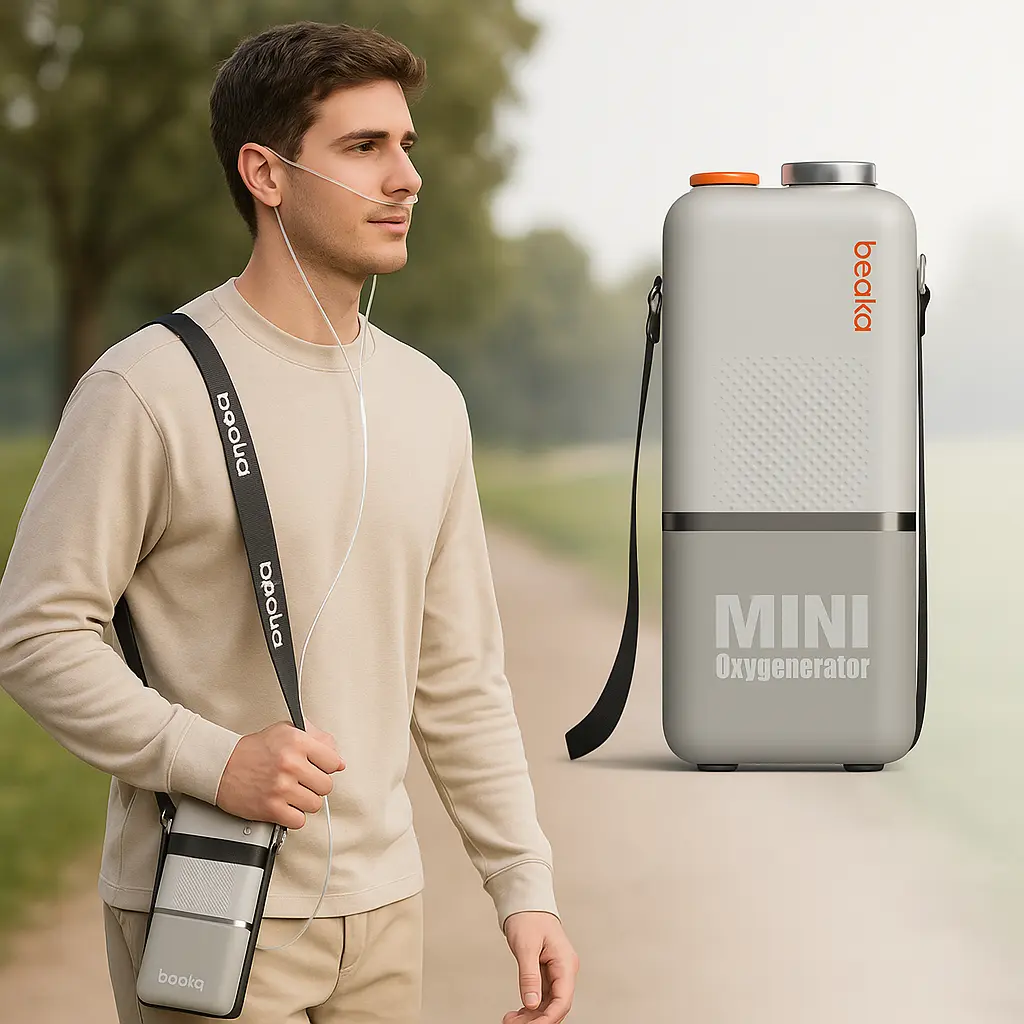
Boeka™ Mini oksygenkonsentrator
Our most popular POC, and for good reason: it balances weight, battery, and noise (under 45dB) better than almost anything else we stock, with CE certification and Type-C charging.
View Boeka Mini product page →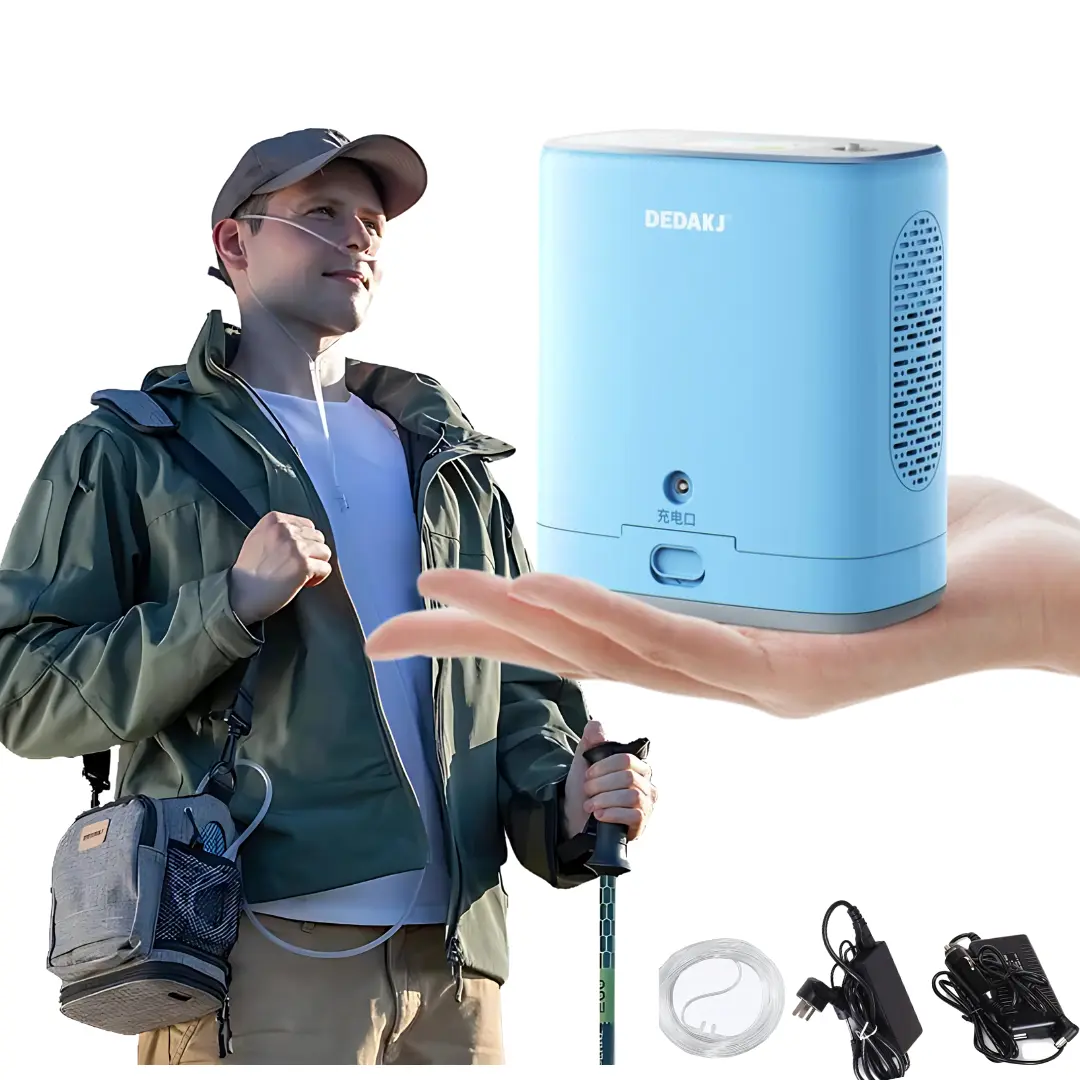
DEDAKJ™ Small Portable Oxygen Concentrator
At 1.2kg, this is genuinely lighter than most laptops. Best for people who need light, occasional support and prioritise carrying almost nothing.
View DEDAKJ product page →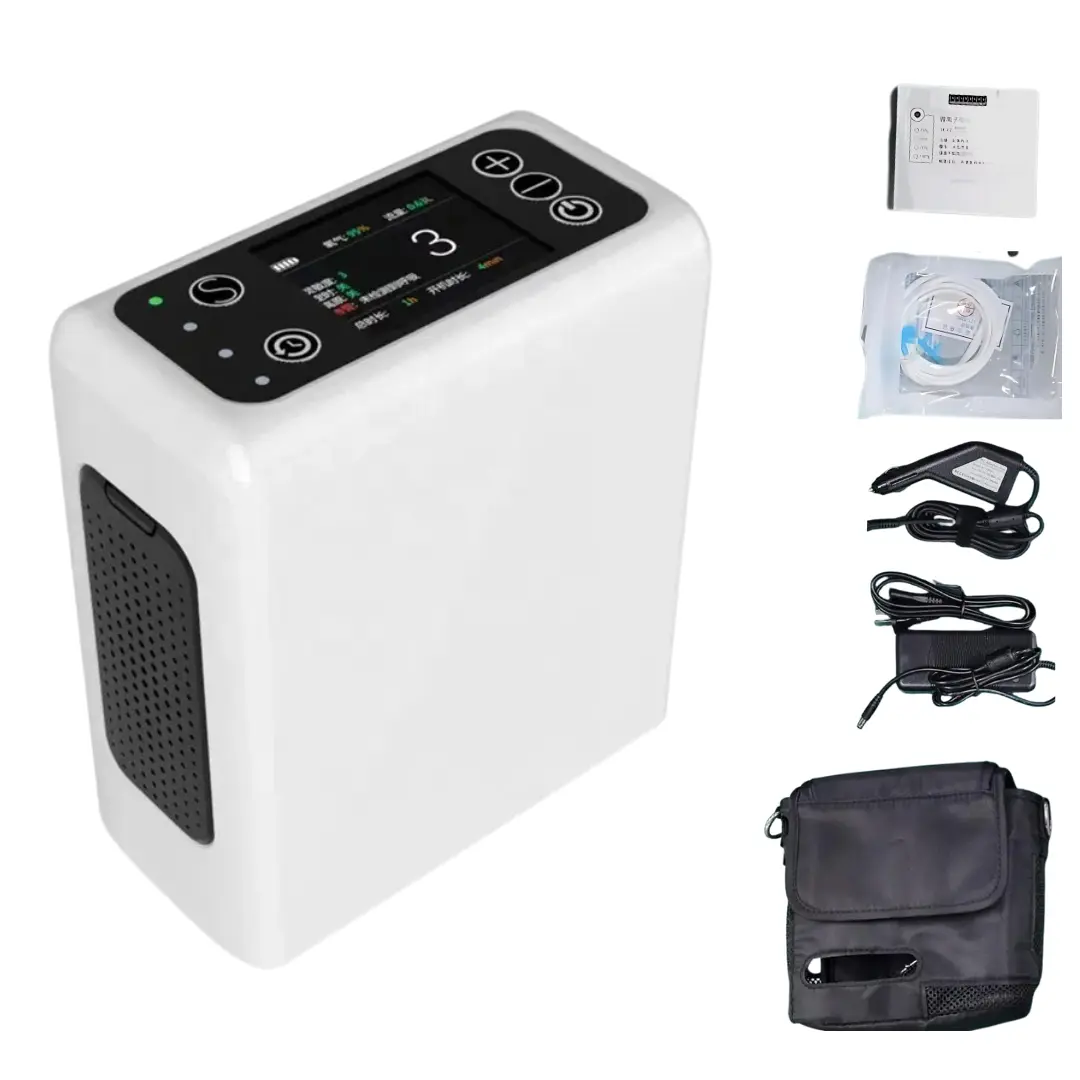
KPS™ bærbar oksygenkonsentrator 4L
The most affordable full POC we stock, and the quietest. A strong all-rounder if you don't need extreme battery life or continuous flow.
View KPS 4L product page →
DN-BE10 Small Portable Oxygen Machine 6L
The longest single-charge runtime on this list, plus three flow modes in one machine. Good for full travel days away from a plug.
View DN-BE10 product page →
Portable Oxygen Concentrator 5L, Continuous Mode (1000P)
The only model on this list with an explicit FAA compliance statement for in-flight use, plus a DC car adapter included. Pulse dose technology matches the effect of 5L continuous flow.
View 1000P product page →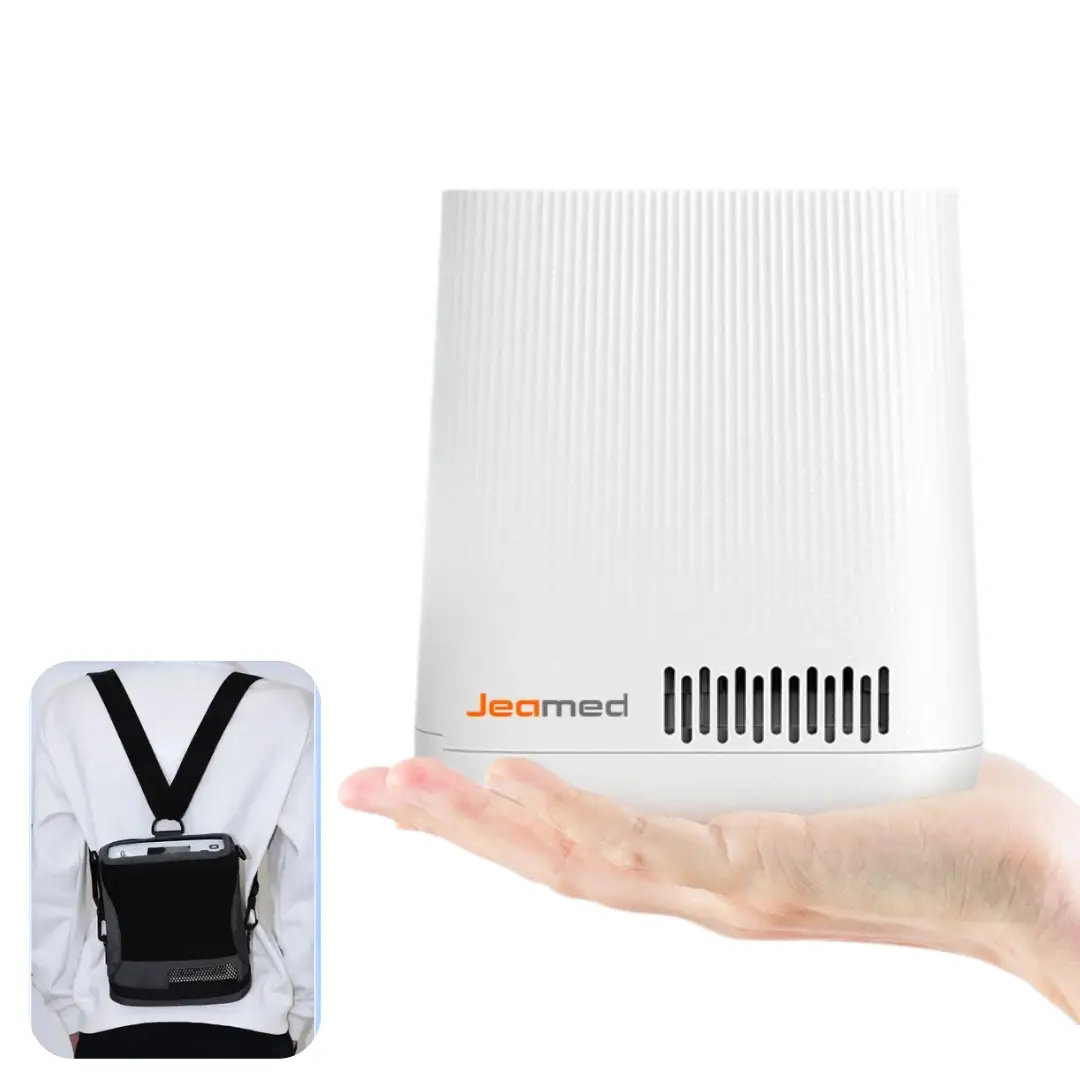
7L Portable Oxygen Generating Machine, Jeamed P37A
If your prescribed flow rate is higher than most portables can manage, this is built for it, with a detachable battery and backpack-style carry.
View Jeamed P37A product page →Compare all our portable oxygen concentrators in one place.
Shop Portable Oxygen ConcentratorsPrice & Purchase: What to Expect
Er det nødvendig med resept for å kjøpe en bærbar oksygenkonsentrator?
No, a prescription is not required to buy a portable oxygen concentrator from Broxtal. These are sold as non-medical personal oxygen machines, ready for direct purchase, so you can get breathing support without waiting on a GP referral. That said, we strongly recommend consulting a healthcare professional to confirm your correct flow rate before buying, since using too low a setting won't give you the oxygen support you actually need.
Can I get a POC on the NHS?
In some cases, yes, if you're assessed and meet the clinical criteria, the NHS can provide a home oxygen concentrator. Portable units specifically are less commonly funded and availability varies by area, and the assessment and referral process can take time. Buying privately is the faster route if you need oxygen support now rather than after an assessment. For the full picture on eligibility and the referral process, see our upcoming guide, Can I Get an Oxygen Concentrator on the NHS? UK 2026.
Hvor mye koster en bærbar oksygenkonsentrator?
Broxtal's POC prices generally range from around £239 to over £899, depending on weight, battery capacity, and flow features:
| Tier | Price range | What you get |
|---|---|---|
| Entry-level | £239 – £480 | Lightweight, basic pulse flow, shorter battery |
| Mid-range | £480 – £700 | Balanced battery life and flow, multiple modes |
| High-end | £700 – £899+ | Continuous flow, higher LPM, FAA-approved travel units |
Prices correct at time of writing, subject to change, check individual product pages for current live pricing.
See the full price range and compare specs side by side.
Browse All POC PricesWhat's the Downside of a Portable Oxygen Concentrator?
A genuinely useful guide tells you the drawbacks too. POCs are not perfect for everyone:
- Battery life is finite. Even the best units on this list top out around 4-6 hours per charge, so long trips away from power need spare batteries or careful planning.
- Lighter models mean lower flow. The lightest, most portable machines are usually pulse-flow only and may not suit people who need a high, guaranteed continuous rate.
- They're not silent. Even the quietest models produce some operating noise, which some light sleepers notice.
- Upfront cost. Buying privately means paying the full price at once, rather than a subsidised NHS unit if you qualify.
None of this makes a POC the wrong choice for most users, but going in with realistic expectations avoids disappointment.
Can You Fly with a Portable Oxygen Concentrator?
Yes, provided your specific model is FAA-approved and you carry enough battery to power it for 150% of your flight duration. Always notify your airline at least 48 hours before departure, and carry your prescription or clinical letter. Our 1000P Continuous Mode pick above is explicitly FAA-approved for major airlines. For the full airline-by-airline rules and a dedicated list of flight-approved models, see our upcoming guide, Flying with a Portable Oxygen Concentrator: UK Airline Guide.
Ofte stilte spørsmål
Hva er den letteste bærbare oksygenkonsentratoren som finnes på markedet?
The lightest models weigh as little as 1.2kg, such as the DEDAKJ Small Portable Oxygen Concentrator, and usually offer pulse-flow only. These are ideal for mobility but may not suit users who need higher continuous flow rates.
Hvilken bærbar oksygenkonsentrator er best egnet for reiser?
The best POC for travel is lightweight, has long battery life, ideally with a spare battery, and is explicitly FAA-approved. Prioritise portability and power efficiency over maximum flow rate if your prescribed requirement allows it.
Er det nødvendig med resept for å kjøpe en bærbar oksygenkonsentrator?
No. Broxtal's portable oxygen concentrators can be purchased directly without a prescription, though we recommend confirming your correct flow rate with a healthcare professional first.
Can I get a portable oxygen concentrator on the NHS?
In some cases, if you're assessed and meet clinical criteria, though portable units are less commonly funded than home units and availability varies by area. Buying privately is faster if you need oxygen support immediately.
What's the downside of a portable oxygen concentrator?
Battery life is limited to a few hours per charge, the lightest models offer lower flow rates, none are completely silent, and buying privately means paying the full cost upfront.
For general guidance on using oxygen therapy safely at home, consult authoritative sources such as the NHS guidance on home oxygen treatment.
Endelig anbefaling
Start by confirming the minimum flow rate your condition requires, that's non-negotiable. Once you know that number, prioritise the lightest model with the best battery life that still meets it, within your budget. If you fly regularly, FAA approval moves to the top of the list. Getting this decision right is what turns a POC from an expensive box into the thing that actually gives you your life back.
Not sure which model fits your needs? Talk to our product specialists.
Contact Broxtal