

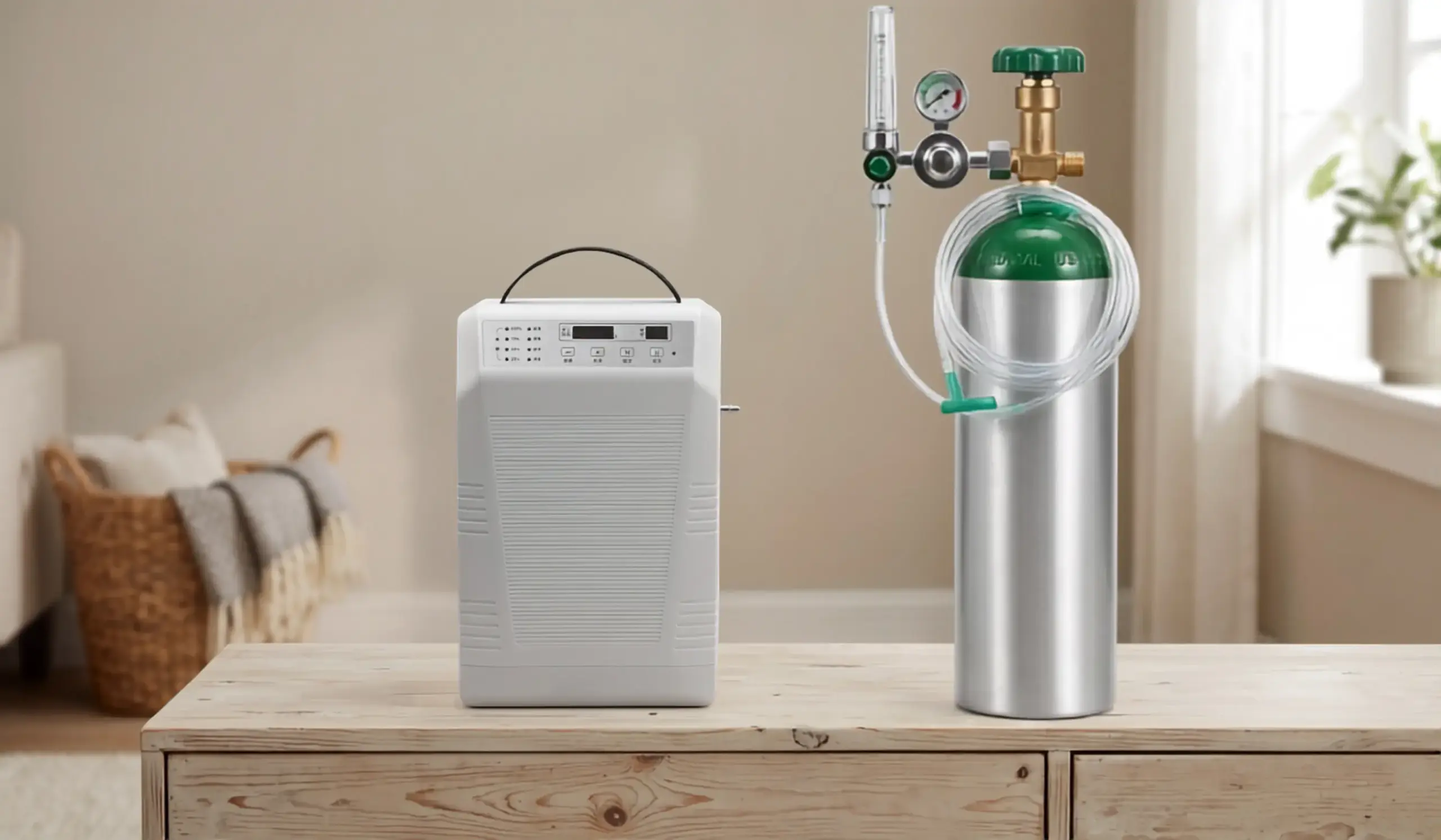
Shortness of breath, low blood oxygen, or a chronic lung condition often calls for extra respiratory support, and the first decision most people face is oxygen concentrator vs oxygen tank. Both deliver supplemental oxygen, but they work in completely different ways, with real differences in cost, safety, and day-to-day convenience.
In this guide, we'll compare oxygen concentrators and oxygen tanks directly, cover what a concentrator actually does, whether you need a prescription, what it costs in the UK, and how it differs from a CPAP machine.
What Does an Oxygen Concentrator Do?
An oxygen concentrator machine pulls in ambient air, filters it, and delivers concentrated oxygen to the user through a nasal cannula or mask. Unlike an oxygen tank, which stores a fixed, finite supply of compressed or liquid oxygen, a concentrator continuously creates oxygen from the air around it for as long as it's powered, which is the core reason most people end up choosing one over the other.
Oxygen Concentrator vs Oxygen Tank: What's the Difference?
Both devices raise your blood oxygen levels, but that's where the similarity ends. Here's how they actually compare:
| Factor | Oxygen Concentrator | Oxygen Tank |
|---|---|---|
| Oxygen supply | Generates oxygen continuously from room air, never runs out while powered | Fixed, finite supply, empties and must be replaced or refilled |
| Refills | None needed | Regular refills or cylinder swaps required, ongoing logistics and cost |
| Running cost | Electricity only, comparable to a household appliance | Ongoing refill or rental fees, ongoing supplier dependency |
| Safety | No pressurised gas storage, lower fire and explosion risk | Pressurised gas cylinder, needs careful handling and storage away from heat |
| Portability | Portable models run on rechargeable battery | Small cylinders are portable but heavy and finite; large tanks are stationary |
| Power dependency | Needs electricity or a charged battery to run | Works without power, useful as an emergency backup |
| Upfront cost | Higher initial purchase price | Often lower upfront, but ongoing refill costs add up over time |
For most long-term, everyday use at home, a concentrator works out safer and cheaper over time, since there's nothing to refill and no pressurised cylinder to store. Oxygen tanks still have a place, mainly as a backup during power outages or for short-term, low-volume needs.
Who Might Need Extra Oxygen Support?
Low blood oxygen doesn't always look dramatic. It can show up in ordinary moments: feeling unusually tired after simple tasks, noticing breathlessness during pregnancy, an older relative struggling more than they used to, or symptoms appearing at altitude when the air itself has less oxygen to offer.
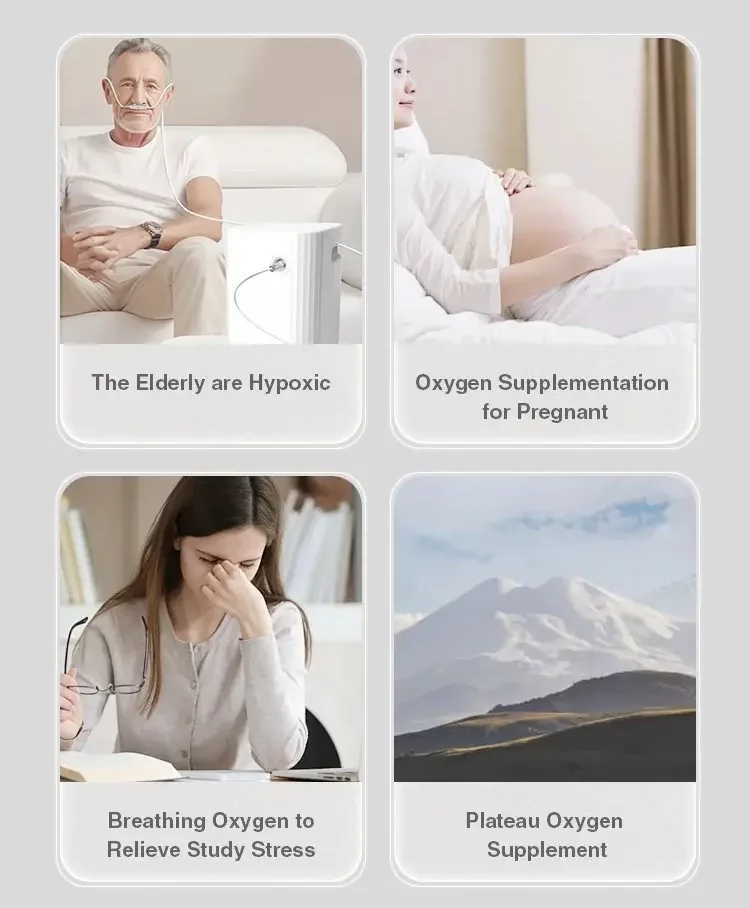
These are some of the most common situations where people first consider an oxygen machine:
- Persistent tiredness: unexplained fatigue that doesn't improve with rest can sometimes point to low oxygen saturation.
- Pregnancy: increased oxygen demand can occasionally leave expectant mothers breathless during normal activity.
- Older age: lung capacity naturally declines over time, and chronic conditions become more common.
- High altitude or plateau environments: thinner air means less available oxygen per breath, even for otherwise healthy people.
Doctors most often prescribe oxygen therapy for chronic lung disease, post-surgical recovery, or breathing problems that result in low oxygen saturation. If any of the scenarios above sound familiar, it's worth raising with your GP rather than guessing.
Do You Need a Prescription for an Oxygen Machine?
Medical-grade home oxygen therapy for a diagnosed condition often requires a prescription through your GP or specialist. That said, Broxtal also supplies portable oxygen generators that don't require a prescription and suit general wellness and travel needs. We'd still recommend speaking to a healthcare professional first, to confirm the flow rate and settings that are actually right for you.
Explore our range of oxygen concentrators.
Shop Oxygen ConcentratorsHow Much Does an Oxygen Concentrator Cost vs an Oxygen Tank?
Costs vary depending on the type of machine and its features. At Broxtal, concentrator pricing generally falls into these bands:
| Tipo | Typical price range | Notes |
|---|---|---|
| Portable concentrators | From £240 | Battery-powered, lighter, built for travel and daily mobility |
| Home concentrators | From £209 | Plug-in, higher flow capacity, designed to stay in one room |
| Oxygen tank (cylinder) | Lower upfront cost, but ongoing refill or rental fees | Cost adds up over time, and supply depends on a provider |
Prices correct at time of writing and vary by model, check individual product pages for current live pricing. For a full private vs NHS cost breakdown, see our upcoming guide on Oxygen Concentrator Cost UK.
Key Differences Between an Oxygen Concentrator and a CPAP Machine
Patients often ask what the difference is between a CPAP device and an oxygen concentrator. They solve two different problems:
- Oxygen concentrator: delivers concentrated oxygen to people with low blood oxygen levels, such as hypoxemia, COPD, or severe asthma.
- CPAP machine: delivers continuous air pressure to keep the airway open, mainly for sleep apnea. It doesn't add oxygen, it prevents airway collapse.
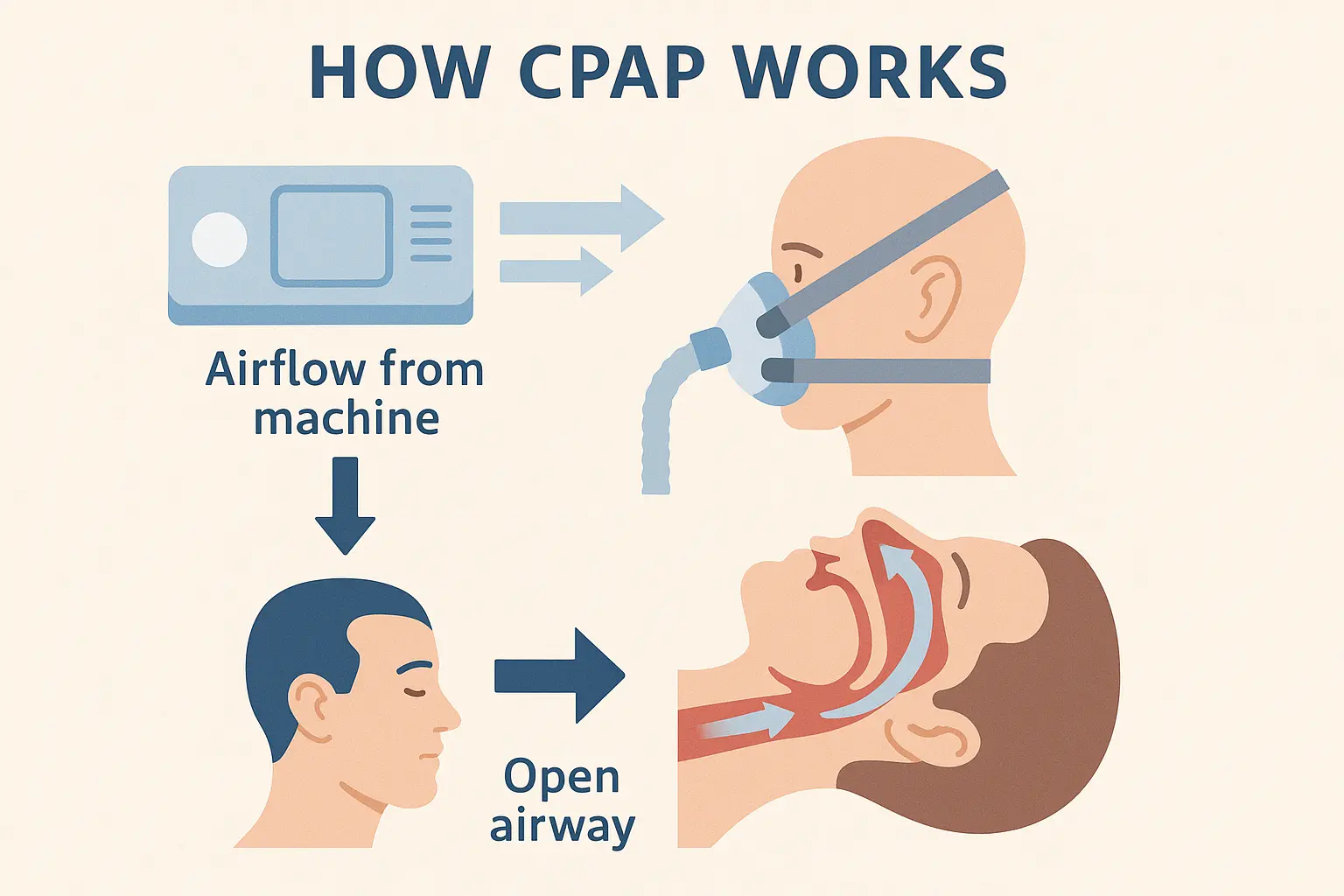
A CPAP machine works by drawing in room air and gently pressurising it through a mask, splinting the airway open so it can't collapse during sleep. That's fundamentally different from an oxygen generator, which changes the composition of the air you breathe, not the pressure it's delivered at.
Read the full breakdown in our guide: Aparelho CPAP: Tudo o que precisa de saber.
Oxygen Concentrator vs Oxygen Tank: How Is Oxygen Actually Delivered?
An oxygen concentrator manufactures medical-grade oxygen continuously from room air rather than storing a finite supply the way a tank does. Concentrators come in two delivery types:

- Pulse flow: delivers oxygen only when you inhale. Ideal for portable use, travel, and lighter oxygen therapy needs.
- Continuous flow: delivers a steady stream of oxygen regardless of breathing pattern. Better suited to higher oxygen needs and overnight use.
How Does Extra Oxygen Help with Breathlessness?
Supplemental oxygen raises the oxygen levels in your blood, which reduces the sensation of breathlessness, improves stamina for everyday activity, and supports overall organ function. It's not a cure for the underlying condition, but for many people it makes a genuine, day-to-day difference in how much they can do without feeling wiped out.

This is often where a home oxygen machine makes the biggest difference, not just for the person using it, but for the family around them. Being able to sit through a family meal, or an afternoon with grandchildren, without gasping for breath, is the kind of change that's hard to put a price on.
Recommended for home use: 1-6L Oxygen Generator Machine with Nebulizer & Ion Filter, pulse flow, adjustable concentration, and built-in nebulizer function.
Running Costs: Oxygen Concentrator vs Oxygen Tank
Modern concentrators are relatively energy-efficient, generally comparable to a household appliance like a fan. Portable models use even less. Running costs are typically modest, and unlike an oxygen tank, there's no recurring refill or rental bill on top, just the electricity to run it.
Ready to move away from refills and rental fees?
Shop Oxygen ConcentratorsPerguntas frequentes
Is an oxygen concentrator better than an oxygen tank?
For most long-term, everyday use, yes. A concentrator never runs out while powered, has no refill costs, and doesn't store pressurised gas. Tanks still suit backup use during power outages or short-term needs.
Do oxygen concentrators need refilling?
No. Unlike oxygen tanks, a concentrator generates oxygen continuously from the air around it for as long as it's powered, so there's nothing to refill or replace.
Are oxygen tanks safe to use at home?
Oxygen tanks can be used safely with proper handling, but they store pressurised gas, which carries fire and explosion risks if kept near heat sources or handled incorrectly. Concentrators avoid this risk since they don't store pressurised oxygen.
What does an oxygen concentrator do?
It pulls in room air, filters it, and delivers concentrated medical-grade oxygen through a nasal cannula or mask, continuously, without needing to be refilled like a tank.
Do I need a prescription for an oxygen machine?
Medical-grade home oxygen therapy for a diagnosed condition often requires a prescription. Broxtal also offers portable oxygen concentrators that don't require a prescription for general wellness and travel use, though consulting a healthcare professional first is recommended.
What is the difference between an oxygen concentrator and a CPAP machine?
An oxygen concentrator adds concentrated oxygen for people with low blood oxygen. A CPAP machine uses air pressure to keep the airway open for sleep apnea, and doesn't add oxygen.
For further NHS guidance on home oxygen therapy, see the NHS overview of home oxygen treatment.