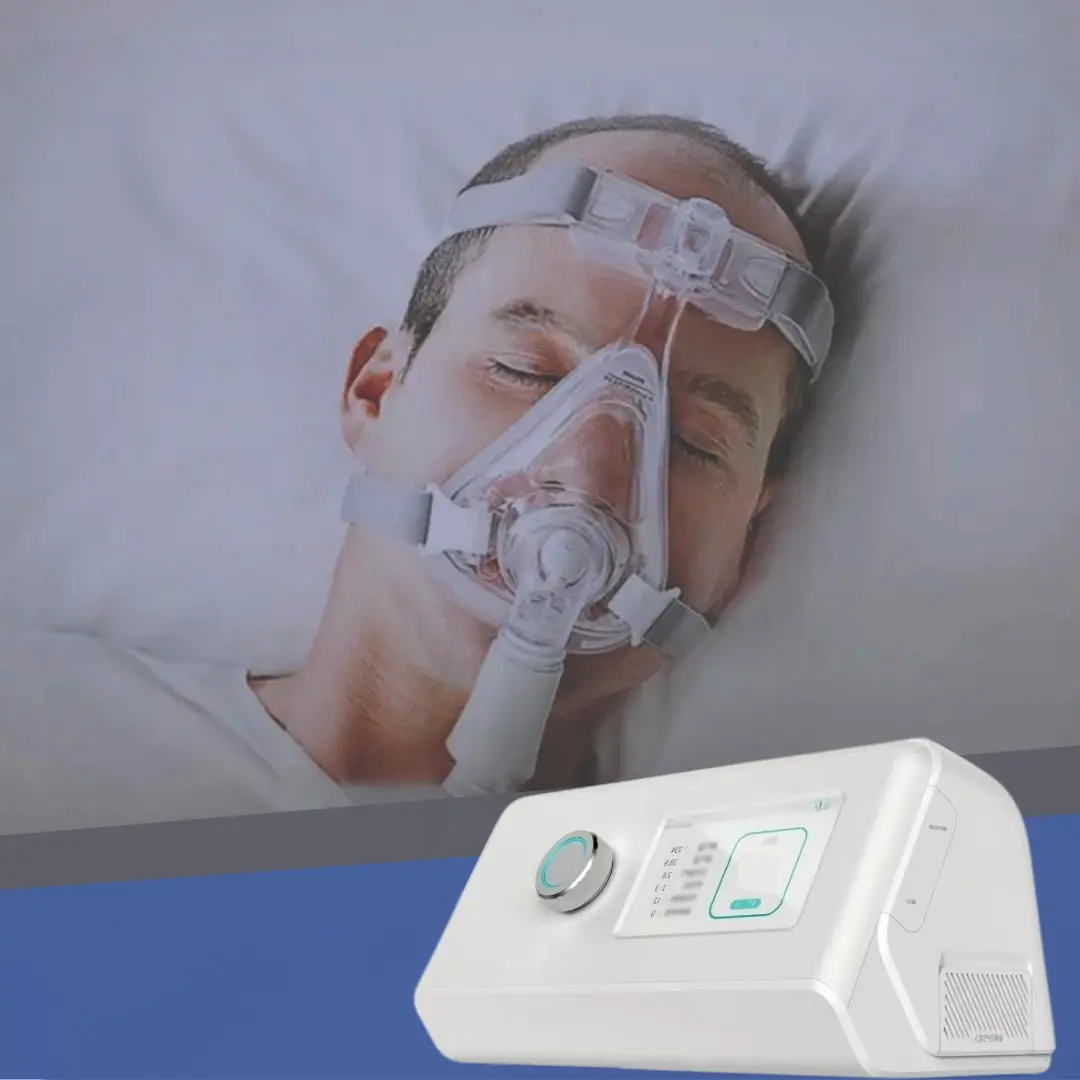


If you or a loved one struggles with sleep apnea, COPD, or breathing difficulties, you may have heard of the BiPAP machine. While similar to a CPAP, it works differently and can be life-changing for certain conditions.
In this article, we’ll explain what a BiPAP machine is, how it differs from CPAP, its uses, benefits, and answer common questions to help you understand if BiPAP therapy is right for you.
BiPAP Machine Explained
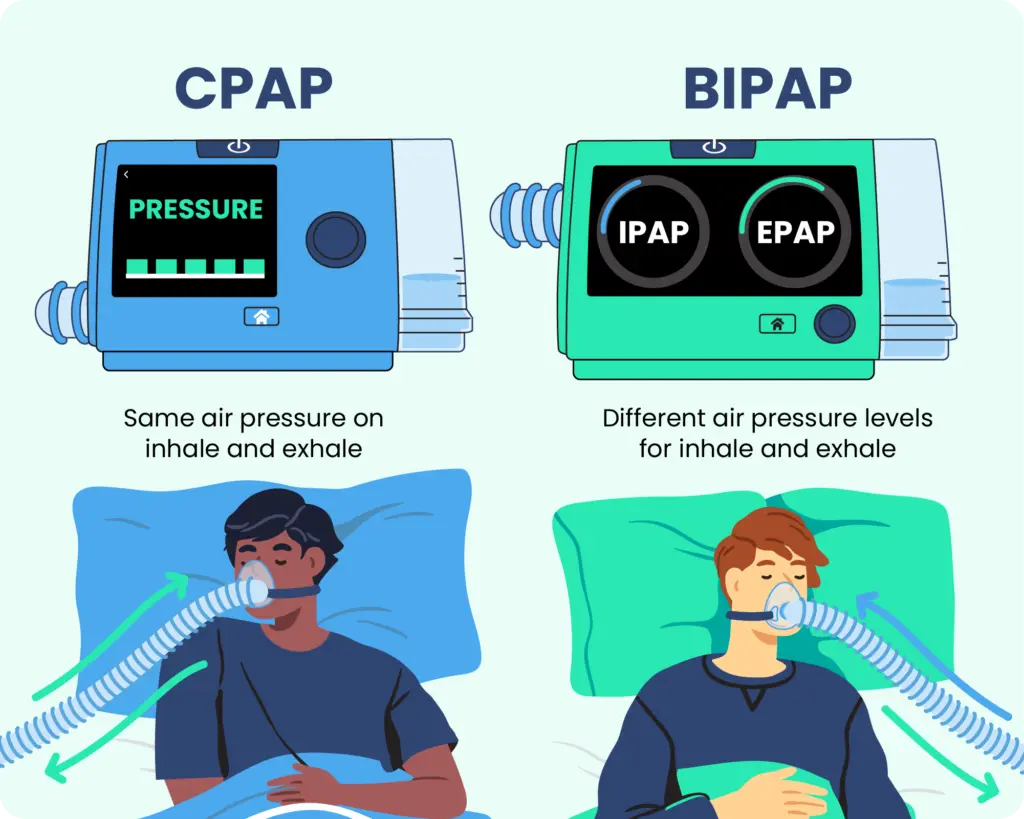
Unlike CPAP, which delivers a constant pressure, a BiPAP machine adjusts airflow based on whether you’re inhaling or exhaling.
Inhalation Support (IPAP): Helps push air into the lungs.
Exhalation Relief (EPAP): Reduces pressure when breathing out, making it more comfortable.
Oxygen Therapy Integration: Some BiPAP ventilators can be combined with oxygen concentrators for patients with low oxygen levels.
This makes BiPAP especially useful for patients with weaker lung function or more complex breathing needs.
👉 Looking for advanced home therapy? Explore Broxtal’s BiPAP and CPAP machines or our oxygen therapy devices.
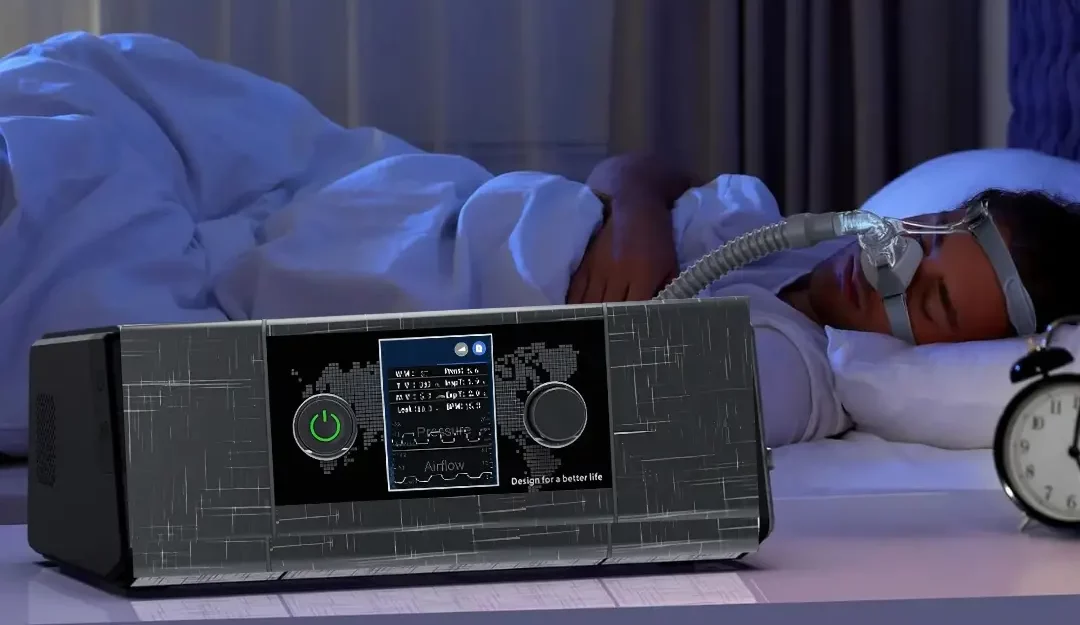
BiPAP vs. CPAP: What’s the Difference?
Both machines support breathing, but their mechanisms differ:
CPAP Machine: Delivers continuous air pressure (same level for inhale & exhale).
BiPAP Machine: Offers two pressure levels (higher for inhale, lower for exhale).
When BiPAP is preferred over CPAP:
For patients with COPD, heart failure, or central sleep apnea.
When CPAP is too uncomfortable due to high exhalation pressure.
In hospital settings, BiPAP may also serve as a non-invasive ventilator for acute breathing failure.
👉 If you’re unsure whether CPAP or BiPAP is right for you, check our guide about CPAP Machine: Everything You Need to Know for Better Sleep
Benefits of Using a BiPAP Machine
Easier breathing: Reduces the effort needed to exhale.
Better oxygen levels: Improves airflow for patients with lung or heart conditions.
Relief from sleep apnea symptoms: Prevents breathing pauses and improves sleep quality.
Supports heart health: Reduces strain on the cardiovascular system.
Flexibility: Can be combined with oxygen therapy for advanced care.
FAQs About BiPAP Machines
What Is a BiPAP Machine?
A BiPAP (Bilevel Positive Airway Pressure) machine is a type of sleep apnea machine that delivers two levels of air pressure:
Higher pressure when inhaling (IPAP).
Lower pressure when exhaling (EPAP).
This makes it easier to breathe out compared to CPAP, which only delivers one continuous pressure.
BiPAP is commonly used for:
Moderate to severe sleep apnea.
COPD and other chronic lung conditions.
- Patients with heart failure needing breathing support.
- People who cannot tolerate CPAP pressure.
What is a BiPAP machine used for?
A BiPAP machine is used to treat sleep apnea, COPD, heart failure, and other breathing disorders. It provides breathing support for patients who struggle with CPAP.
Is a BiPAP considered life support?
Yes, in some cases. While not the same as full mechanical ventilation, a BiPAP can act as a non-invasive ventilator in hospitals or at home to support breathing.
Why would you use BiPAP instead of CPAP?
BiPAP is used instead of CPAP when patients need different pressures for inhale and exhale or cannot tolerate continuous CPAP pressure. It’s especially useful for COPD and heart failure patients.
What are the benefits of sleeping with a BiPAP machine?
BiPAP improves sleep quality, oxygen levels, and reduces snoring and apnea episodes. Patients often wake up more energized, with better heart and lung function.
How does BiPAP help heart failure?
BiPAP reduces the effort required to breathe, improves oxygen delivery, and lowers the workload on the heart, which is beneficial for patients with heart failure.
Do COPD patients use BiPAP?
Yes. BiPAP is widely prescribed for COPD patients, as it helps ease breathing, reduce carbon dioxide buildup, and improve oxygen intake.
Does BiPAP increase blood pressure?
No. In fact, BiPAP often helps reduce blood pressure in sleep apnea patients by improving oxygenation and reducing strain on the cardiovascular system.
For a credible, in-depth explanation of BiPAP vs. CPAP and how they work, refer to the Sleep Foundation’s guide: “What Is the Difference Between CPAP and BiPAP Machines?"
A BiPAP ventilator provides advanced breathing support by offering two pressure levels, making it ideal for patients with sleep apnea, COPD, and heart conditions. Unlike CPAP, BiPAP is easier to exhale against, improving comfort and oxygenation.
👉 Explore Broxtal’s full range of BiPAP and CPAP machines along with our oxygen therapy solutions to find the right device for your needs.