


This guide is for anyone with knee osteoarthritis who's wondering whether a brace is worth trying, or whether it's just another product promising more than it delivers. Short answer: the right type of brace, for the right kind of knee arthritis, does have real evidence behind it. The wrong type, worn for the wrong reason, mostly just sits in a drawer. We'll walk through what actually works, what the NHS and NICE guidance really say (not the marketing version), and which of our own braces fit which situation, so you can make an informed choice rather than a hopeful one.
Does a Knee Brace Actually Help Arthritis?
Let's be honest about this, because your scepticism is reasonable. The National Institute for Health and Care Excellence (NICE), which sets clinical guidance for the NHS, does not recommend knee bracing as a routine, first-line treatment for everyone with knee osteoarthritis. Their guidance reserves it for specific situations: where there's joint instability, abnormal loading through the knee, or where exercise-based therapy alone isn't managing symptoms well enough.
Within those situations, though, one specific type of brace does have genuine clinical evidence: the unloader (or offloader) brace, used for knee osteoarthritis affecting mainly one side of the joint (unicompartmental osteoarthritis, most often the inner, medial side). These braces are used in some NHS specialist knee clinics, and studies, including an NHS service evaluation across two community clinics, have shown measurable improvements in pain, daily activity, and quality of life for patients using them, in some cases sustained over one to two years. A separate published study found unloader bracing could delay the need for surgery in patients on a knee replacement waiting list.
The honest caveat: a 2015 Cochrane review of the wider evidence (Duivenvoorden et al.) rated the overall evidence quality as low, and specifically found no clear difference in pain, stiffness, or function between a valgus knee brace and a simple wedged shoe insole. Its conclusion was that the optimal choice of brace or orthosis remains unclear, and that longer-term evidence is still lacking. This isn't a miracle device. It's a genuinely useful tool for the right knee, with realistic, not exaggerated, expectations.
As a physical therapist would tell you: a brace supports the joint, it doesn't replace the muscle around it. Strengthening your quadriceps through targeted exercise remains one of the most effective things you can do for knee osteoarthritis, brace or no brace. Think of a good brace as something that makes movement more comfortable while you do the work, not a substitute for it.
See our certified knee braces built for arthritis support.
Shop Knee & Joint SupportsTop Picks: Best Knee Braces for Arthritis
We're not going to list ten options and let you guess. Here are the two we'd actually point you toward, and why.
1. Unloader Knee Brace, NEENCA
This is the brace that matches the evidence discussed above. It's a rigid-frame, hinged design with an adjustable angle setting, built to redirect pressure away from the more worn side of the knee, the same design category as the unloader braces used in NHS knee clinics and clinical studies. It's not a soft compression sleeve, it's a structured support, which is exactly why it works differently.
| Preis | Rating | Am besten für |
|---|---|---|
| £47 | 4.75 out of 5 | Unicompartmental (one-sided) knee osteoarthritis, structured offloading during walking and activity |

Structured support for one-sided knee arthritis.
Shop the Unloader Knee Brace Rated 4.75/5 · Free UK delivery · Free returns2. Knee Brace & Joint Support Pro
This one is a different tool for a different job. It's an adjustable hinged brace (with a controllable range-of-motion dial) built primarily for joint instability, post-surgical support, and general knee protection, which is precisely the other situation NICE guidance points to as a reasonable case for bracing. If your knee feels like it gives way, or you need adjustable support while recovering from an injury alongside your arthritis, this is the more appropriate pick.
| Preis | Rating | Am besten für |
|---|---|---|
| £56 | 5 out of 5 | Joint instability, post-injury or post-surgical support, adjustable range-of-motion control |
Prices correct at time of writing and subject to change. Always check individual product pages for current live pricing.

Adjustable support for instability and recovery.
Shop the Joint Support Pro Rated 5/5 · Free UK delivery · Free returns
Neither brace is designed to be worn 24 hours a day, both are built to support you during the activities that actually load the joint: walking, standing, light exercise, and daily movement.
Osteoarthritis vs Rheumatoid Arthritis: Does It Matter for Bracing?
Yes, and it's worth pausing on this before you buy anything. Everything in this guide, the NICE guidance, the unloader brace evidence, is specifically about osteoarthritis, the "wear and tear" type where cartilage gradually breaks down. Rheumatoid arthritis is a different condition entirely, an autoimmune disease where the immune system attacks the joint lining itself, causing inflammation, swelling, and warmth around the joint, often in multiple joints at once and often starting earlier in life than osteoarthritis.
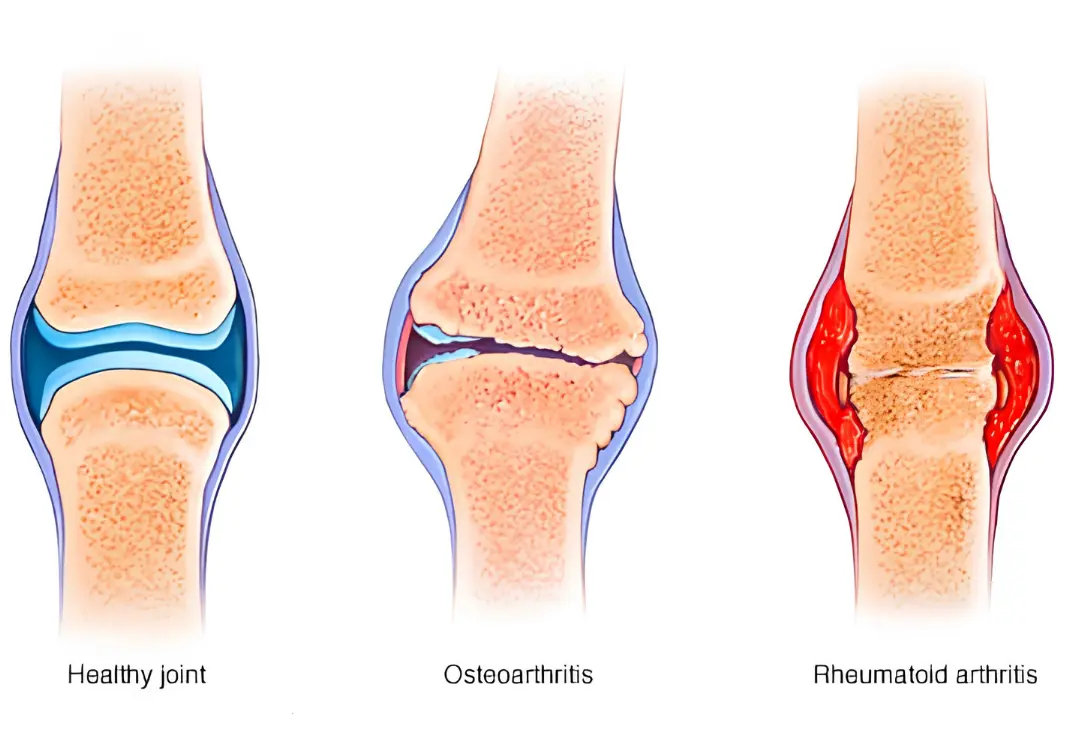
The practical difference for bracing: a rigid unloader brace is designed around a mechanical problem, uneven load through worn cartilage. It isn't designed to manage active joint inflammation, and during an inflammatory flare, a tight or rigid brace can be uncomfortable rather than helpful. If you haven't had a formal diagnosis, or you're noticing warmth, swelling, or symptoms in several joints at once rather than just the knee, that's worth raising with your GP before choosing a brace, since the right approach genuinely differs between the two conditions.
Knee Braces for Bone-on-Bone Arthritis
"Bone-on-bone" is the term people often use for advanced osteoarthritis, where the cartilage cushioning the joint has worn away enough that bone surfaces are close to, or in contact with, each other. This is actually where the unloader brace evidence is strongest: the NHS and published studies specifically looked at patients with end-stage, one-sided osteoarthritis, some already on a surgery waiting list, and found real improvements in pain and mobility. If your knee is at this stage, a brace won't regrow cartilage or reverse the underlying condition, nothing can, but it can meaningfully reduce the load and discomfort during daily movement while you and your doctor weigh up next steps. We've written a dedicated guide for this specific situation: Best Knee Supports for Bone-on-Bone Arthritis.
What Type of Knee Support Do You Actually Need?
"Knee brace" gets used loosely to describe three quite different things, and picking the wrong one is the most common reason people give up on bracing altogether.
| Typ | What it does | Am besten für |
|---|---|---|
| Compression sleeve | Soft, even compression, warmth, mild proprioceptive feedback | Mild aches, general comfort, light activity, no structural correction |
| Hinged brace | Rigid frame with adjustable hinge, controls range of motion and stability | Joint instability, post-injury or post-surgical recovery |
| Unloader (offloader) brace | Rigid frame designed to redirect load away from one side of the joint | One-sided (unicompartmental) osteoarthritis |
If you're still unsure which category fits your knee, our full comparison walks through it in more depth: Knee Brace vs Knee Support: What Is the Difference?
Does the NHS Recommend Knee Braces?
Not as a blanket recommendation for everyone with arthritis, and we'd rather tell you that plainly than oversell it. NICE guidance is specific: bracing isn't first-line treatment for general knee osteoarthritis. Where it is used within the NHS, it's typically for the situations we've already covered, joint instability, abnormal loading, or one-sided osteoarthritis where an unloader design is clinically appropriate, often alongside exercise therapy rather than instead of it. Some NHS trusts run specialist knee clinics that prescribe unloader braces directly, particularly as a way to manage pain and delay surgery for patients on a waiting list.
If your GP or physiotherapist hasn't mentioned bracing, that's not necessarily a sign it wouldn't help, it's often simply not been raised, or your case doesn't fit the specific criteria NICE sets out. It's a reasonable thing to ask about at your next appointment, particularly if you have confirmed one-sided knee osteoarthritis.
When Should You NOT Wear a Knee Brace?
- If you have poor circulation, peripheral vascular disease, or a history of blood clots, speak to your doctor before using any compression or rigid brace
- If you have broken or irritated skin around the knee, wait until it's healed, or choose a design that avoids that area
- Don't use an adjustable hinge or side-angle setting to try to self-correct knee alignment, that adjustment should be guided by a doctor, physiotherapist, or qualified brace fitter
- A brace isn't a substitute for strengthening exercise, using one as a permanent replacement for movement and physiotherapy can lead to muscle weakening over time
- If pain gets noticeably worse while wearing a brace, stop and get it checked, that's not something to push through
How Long Should You Wear a Knee Brace Each Day?
There's no single universal number, but the general physical therapy principle is this: braces, especially unloader designs, do their job while the joint is under load, walking, standing, light exercise, stairs, not while you're sitting still or asleep. Most people get the most benefit wearing one during active parts of the day rather than continuously for 24 hours. Start with shorter periods during activity, check how your skin and comfort respond, and build up gradually. If you've been given a specific wear schedule by a physiotherapist or NHS clinic, that guidance takes priority over general advice like ours.
Simple Daily Habits That Help Alongside a Brace
If a physical therapist were sitting across from you, a brace would be one part of the conversation, not the whole thing. A few habits consistently make the biggest difference for knee osteoarthritis, brace or not:
- Keep the muscle around the knee working. Gentle, regular quadriceps and hip-strengthening exercises, the kind a physiotherapist would show you, help the muscles share more of the load the joint used to carry alone. This matters more than almost anything else you can do.
- Move little and often, rather than not at all. Long periods of complete rest tend to stiffen an arthritic knee further. Short, regular walks are usually better than either pushing through long distances or avoiding movement altogether.
- Mind your footwear. Supportive, cushioned shoes reduce the jarring that travels up through the knee with each step. This is a small change that adds up over a day of walking.
- Manage your weight where you can. Every extra kilogram carried through a weight-bearing joint like the knee increases the load with every single step. Even modest, sustainable weight changes can meaningfully ease symptoms over time.
- Warm up before activity, especially in cold weather. Stiff, cold joints are more uncomfortable to load. A few minutes of gentle movement before a walk or exercise session helps.
- Pace yourself through flare-ups. Arthritis symptoms naturally ebb and flow. On harder days, it's reasonable to do less, not push through, and pick activity back up as things settle.
None of this replaces medical advice specific to your knee, and if pain is worsening or your mobility is declining, that's worth raising with your GP or a physiotherapist directly. But these habits, combined with the right type of brace where appropriate, form a more complete approach than a brace alone ever will.
What to Expect in the First Few Weeks
It's worth setting realistic expectations here too. A brace, even the right one, usually doesn't deliver dramatic relief on day one. Most people need a short adjustment period, typically one to two weeks, to get used to the fit, find the most comfortable adjustment settings, and build up wear time gradually. Some mild skin sensitivity or awareness of the brace is normal at first and usually settles as the skin and muscles adapt. If discomfort is significant rather than mild, or doesn't improve after a couple of weeks, that's a sign to check the fit rather than push through it.
Sizing Guide
A brace that doesn't fit properly won't offload pressure correctly and may cause discomfort or skin irritation, so getting the size right matters more than most people expect.
- Measure your thigh circumference roughly 15cm (6 inches) above the centre of your kneecap, this is the measurement point our Unloader Knee Brace uses; other models may specify a slightly different point, so always check the individual product page
- Measure while standing, with the muscle relaxed, not flexed
- Check both legs if your arthritis is one-sided, muscle bulk can differ slightly between them
- When between sizes, sizing up is usually more comfortable for daily wear than sizing down, particularly for rigid, hinged designs
Each product page lists the specific measurement range for that model, always check it against your own measurement rather than your usual clothing size.
Häufig gestellte Fragen
Does a knee brace help arthritis?
It can, particularly unloader braces for one-sided (unicompartmental) knee osteoarthritis, where NHS studies show real improvements in pain and mobility. NICE guidance doesn't recommend bracing as routine treatment for everyone, it's most appropriate for specific situations like joint instability or one-sided arthritis.
What is the best knee brace for bone-on-bone arthritis?
An unloader (offloader) brace is the type with the strongest evidence for advanced, one-sided osteoarthritis, since it's specifically designed to redirect load away from the worn side of the joint.
Does the NHS recommend knee braces for arthritis?
Not as a routine, first-line treatment. NICE guidance reserves bracing for specific cases, joint instability, abnormal loading, or one-sided osteoarthritis, often used within specialist NHS knee clinics alongside exercise therapy.
How many hours a day should you wear a knee brace?
Most benefit comes from wearing it during activity, walking, standing, light exercise, rather than continuously all day or while sleeping. Follow any specific schedule given by a physiotherapist or NHS clinic if you have one.
When should you not wear a knee brace?
Avoid or check with a doctor first if you have poor circulation, broken skin near the knee, or a history of blood clots. Don't use adjustable settings to self-correct alignment, and stop wearing it if pain gets noticeably worse.
For further clinical guidance, refer to NICE guidance on osteoarthritis in over 16s.
Still not sure which support is right for your knee?
Contact Broxtal Free UK delivery · Free returns · Certified devices