
Caring for an elderly parent or relative at home often starts with a single question: what equipment do we actually need? Between breathing support, sleep therapy, and joint or posture aids, it's easy to feel like you're guessing. This guide brings the basics together in one place, respiratory equipment, mobility and pain support, and the practical side of choosing for someone else, so you can make a confident, informed decision rather than a rushed one.
Most home health equipment for seniors falls into two groups: supporto respiratorio (oxygen concentrators, CPAP or BiPAP machines) and mobility and pain support (knee braces, posture correctors, neck braces). The right choice depends on a diagnosis or symptom pattern, not guesswork, and a GP or physio should confirm anything related to breathing, chronic pain, or a new symptom before you buy.
What Equipment Helps Independence at Home?
Most seniors and caregivers we hear from are dealing with one of two situations: a breathing or sleep-related condition, or a joint, posture, or mobility issue. The right piece of equipment depends heavily on which one applies, and sometimes both do at once. Here's the landscape at a glance:
A GP, respiratory nurse, or physio should confirm the underlying condition first. Equipment supports a treatment plan, it isn't a substitute for one.
Respiratory Basics: Oxygen and CPAP
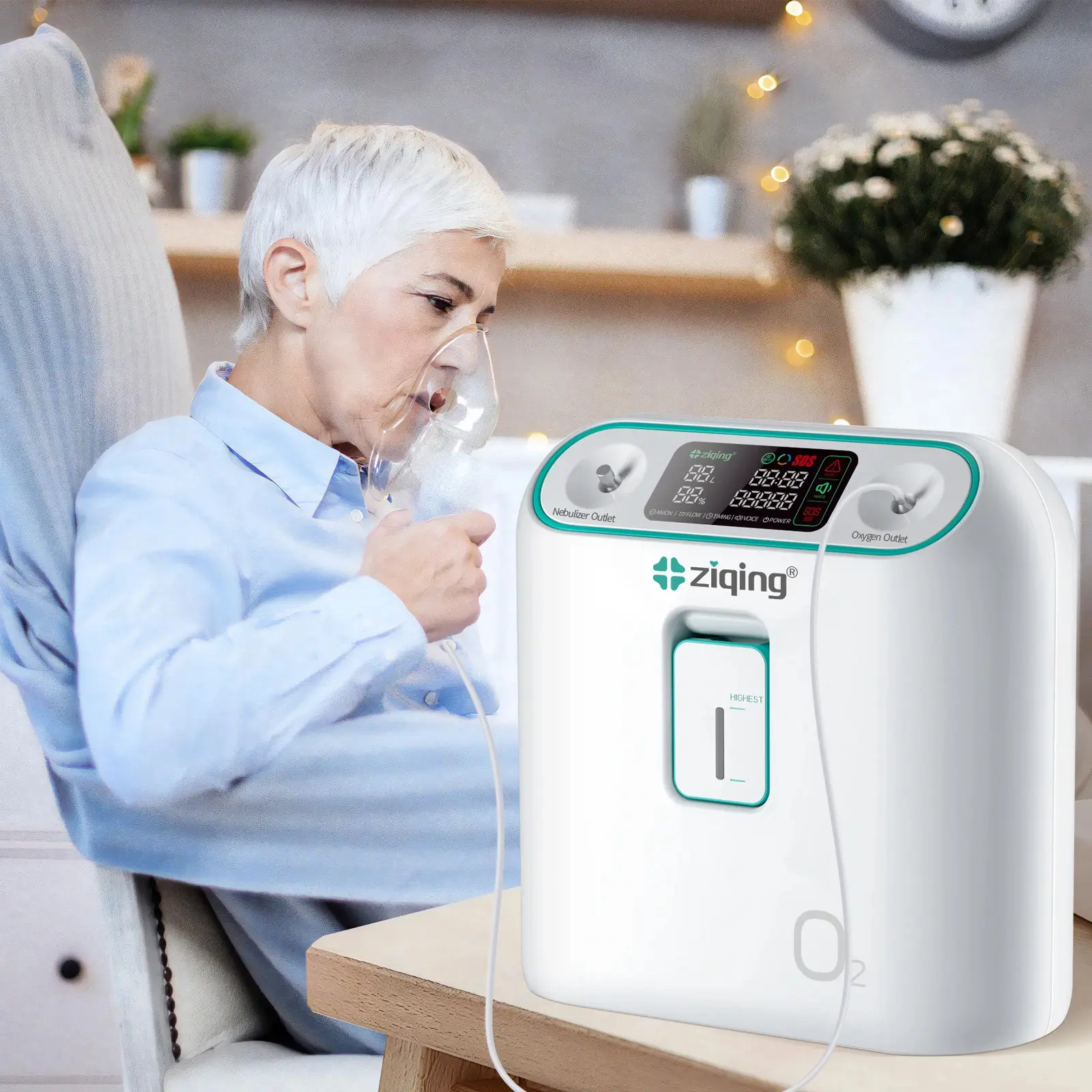
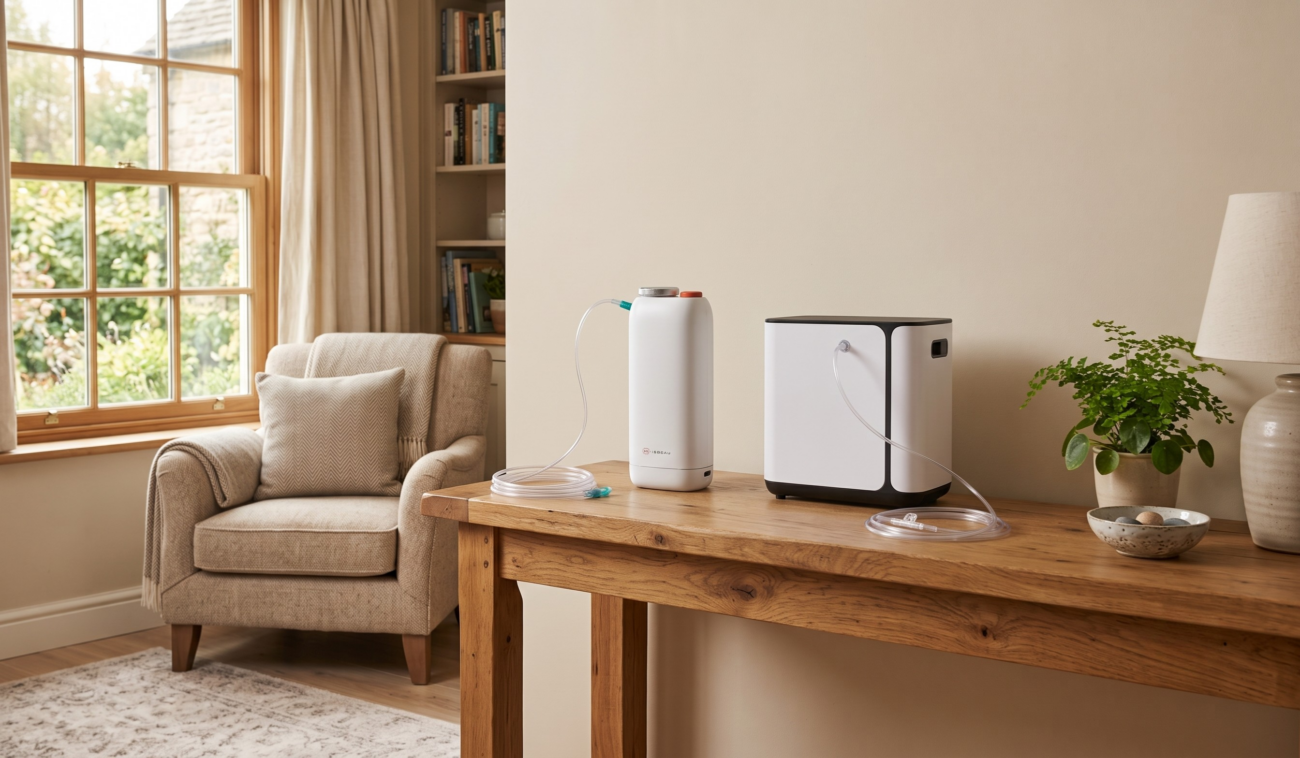
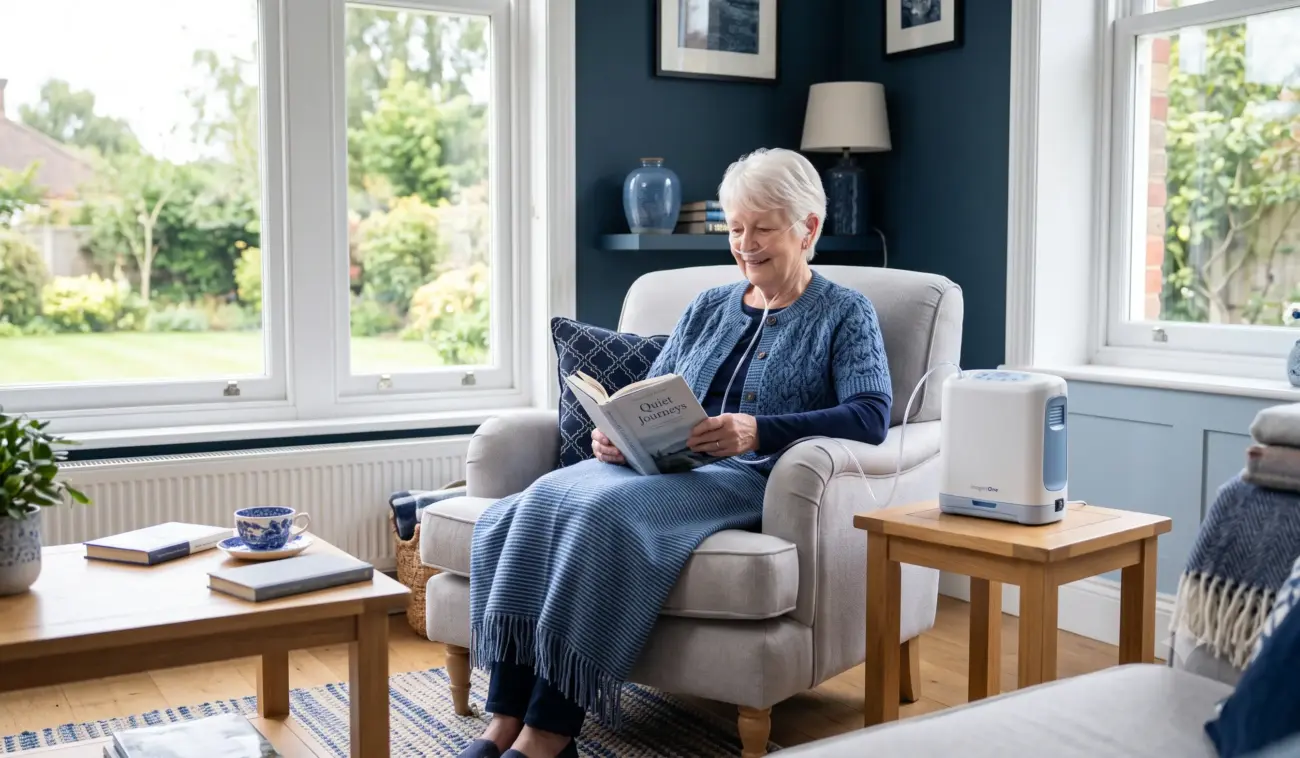
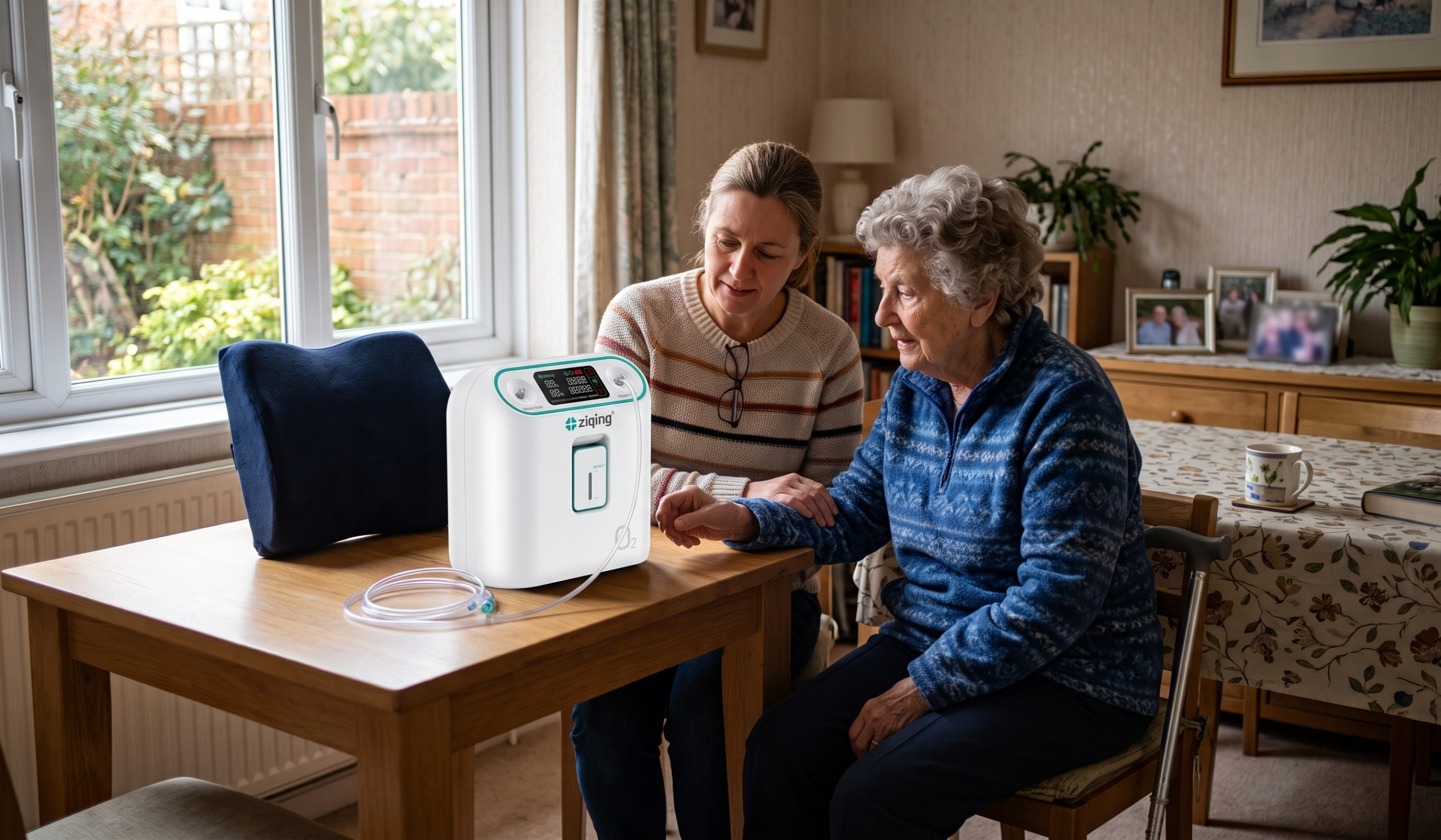
Un concentratore di ossigeno pulls in room air, filters out nitrogen, and delivers concentrated oxygen through a nasal cannula or mask. It supports people whose lungs can't absorb enough oxygen on their own, often due to COPD, pneumonia recovery, or another chronic respiratory condition. Home units are stationary and plug into the mains, while portable models run on rechargeable batteries for anyone who's still active and mobile.
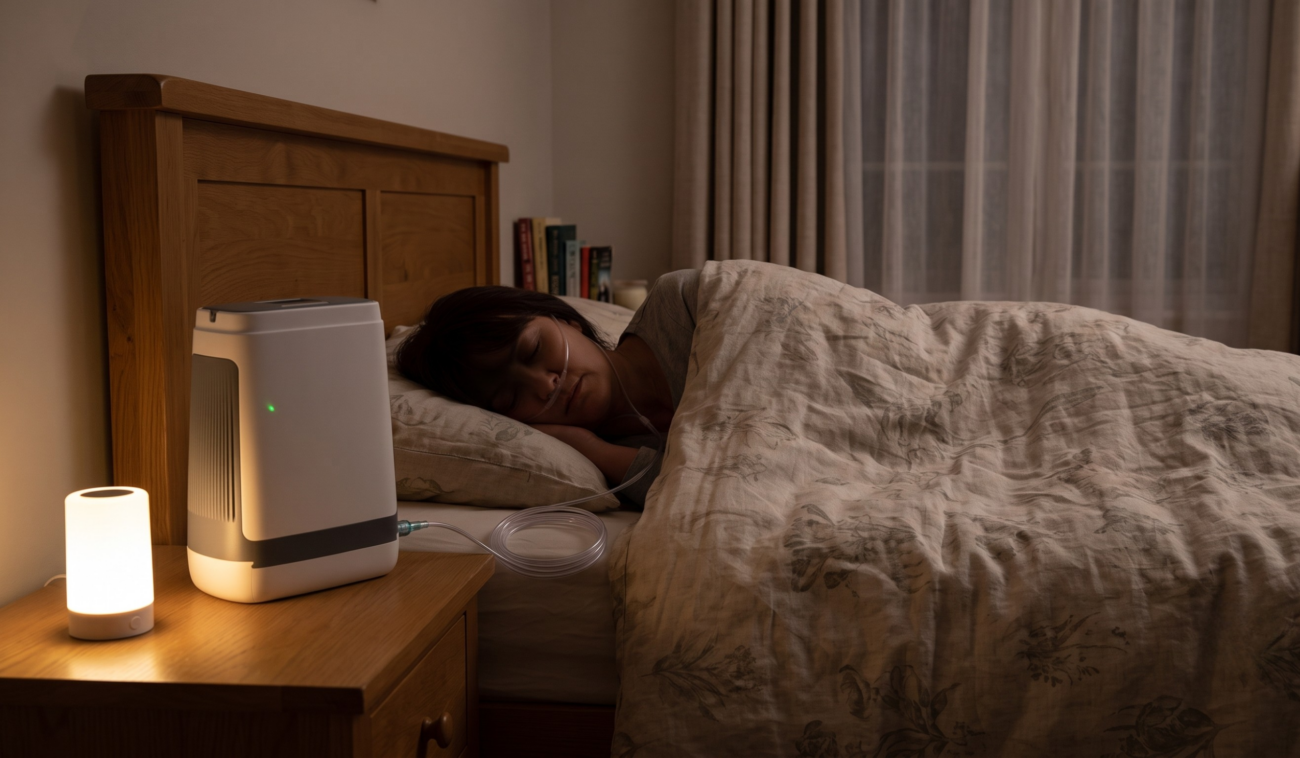
A CPAP or BiPAP machine is a different device entirely. It doesn't supply extra oxygen, it uses gentle air pressure to keep the airway open during sleep, most commonly for obstructive sleep apnoea. If someone snores heavily, gasps for air during sleep, or feels exhausted despite a full night in bed, that's worth raising with a GP, since CPAP and oxygen therapy address different problems and aren't interchangeable.
For more detail on each device, our Guida completa ai dispositivi per ossigenoterapia e CPAP vs BiPAP guide cover how each device works and how to choose between them.
Ready to explore respiratory equipment for home use?
Browse Oxygen & CPAPMobility and Pain Basics: Knee, Posture, and Neck Support

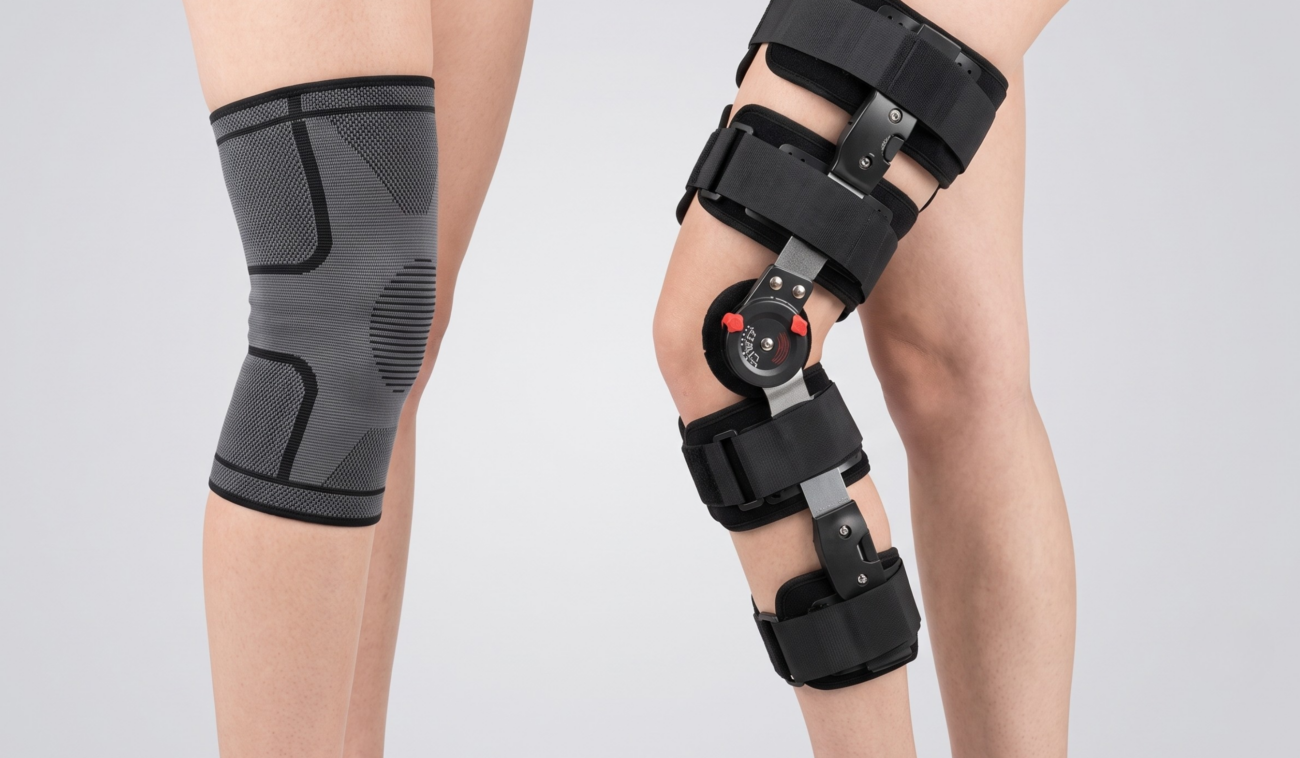
A knee brace or support can ease pain from arthritis, help with stability after a joint injury, or provide light compression during everyday movement. The right level of support depends on the cause: arthritis and general soreness usually call for a lighter sleeve-style support, while post-injury or post-surgery recovery often needs a hinged brace with range-of-motion control, ideally chosen with a physio's input.
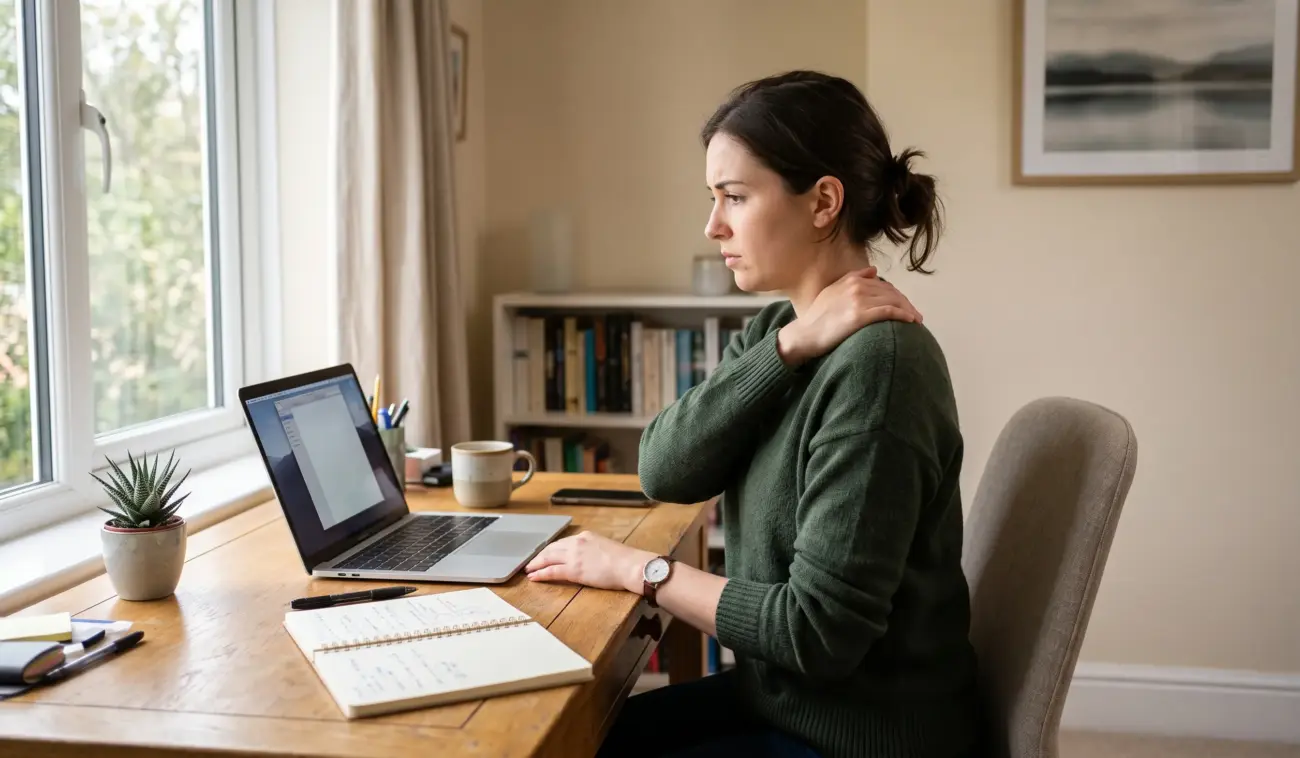
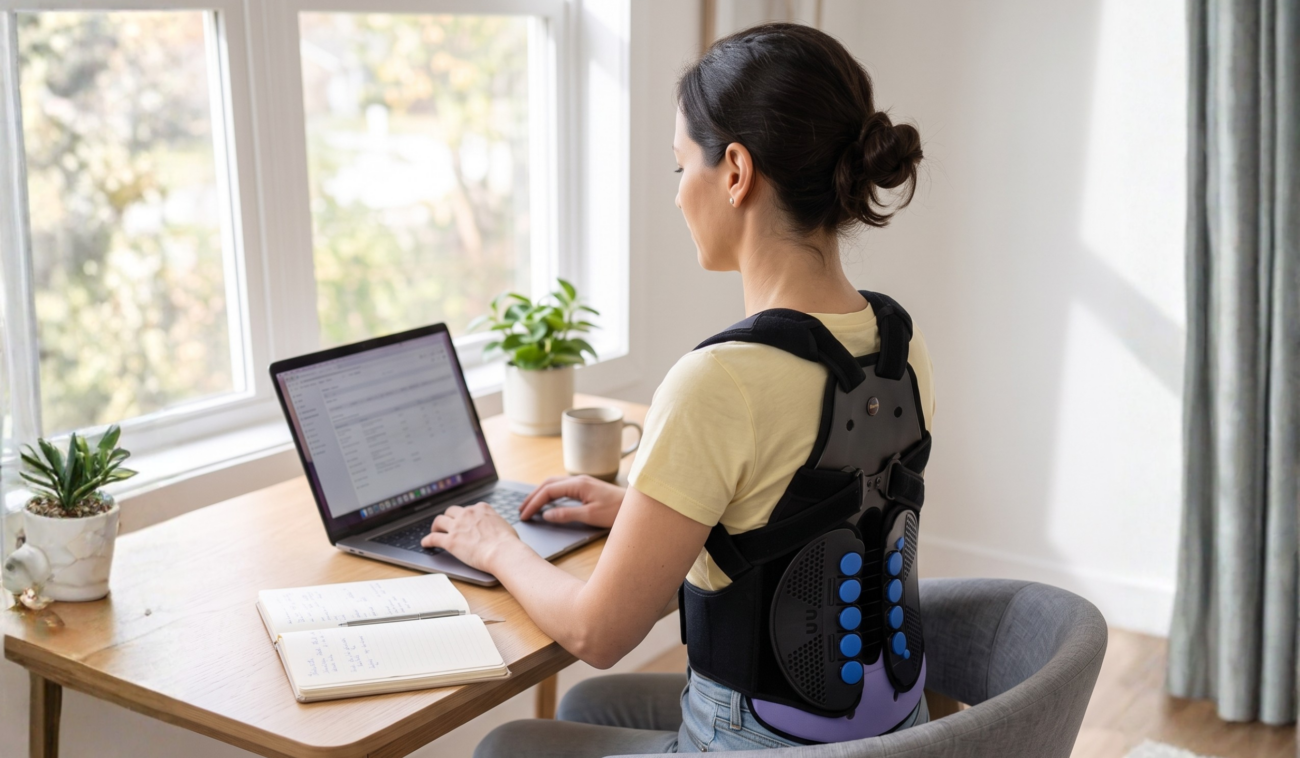
A posture corrector is a support garment, not a cure. It's best understood as one part of a broader routine that also includes movement and, where relevant, physio guidance, rather than something that fixes years of slouching on its own. Many people find it helps them notice and correct posture through the day, particularly if back or shoulder discomfort has built up gradually.
A neck brace is generally reserved for a specific injury or a doctor's recommendation, rather than everyday comfort, since restricting neck movement without a clear reason can do more harm than good. If a loved one is dealing with neck pain or stiffness, that's a conversation for a GP or physio before any support is introduced.
Il nostro Knee Brace for Arthritis guide and Best Posture Correctors UK 2026 guide go into more depth on choosing the right fit for each situation.
Looking for joint, posture, or recovery support?
Browse Physical Therapy DevicesChoosing Equipment for a Loved One
Buying for someone else, rather than for yourself, adds a layer most product pages don't account for. A few things consistently make the difference between equipment that gets used and equipment that ends up in a cupboard:
When to Involve a GP or Physio
Equipment can support a condition, but it can't diagnose one. A few signs it's time to speak to a GP or physio before buying, or alongside using, home health equipment:
- New or worsening breathlessness, especially at rest or overnight
- Loud snoring combined with gasping, choking, or long pauses in breathing during sleep
- Joint pain that's sharp, sudden, or comes with swelling rather than gradual wear
- Neck pain or stiffness following a fall, accident, or sudden onset
- Any equipment that isn't relieving symptoms after a reasonable trial period
For respiratory symptoms specifically, the NHS guidance on home oxygen treatment is a reliable starting point. For joint pain, the NHS overview of knee pain covers when self-care is appropriate and when to seek medical advice.
Domande frequenti
What home health equipment helps seniors stay independent?
The most common categories are respiratory support, oxygen concentrators and CPAP or BiPAP machines, and mobility or pain support, including knee braces, posture correctors, and neck braces. The right choice depends on the specific condition involved.
Do I need a prescription to buy home medical equipment in the UK?
Not for Broxtal's oxygen concentrators or physical therapy products such as posture correctors and knee supports. CPAP and BiPAP machines can also be purchased directly, though if a clinician has prescribed specific settings, check the model matches before ordering.
How do I know if a knee or posture support is right for someone I care for?
It depends on the underlying cause. Arthritis or general soreness usually suits a lighter support, while post-injury or post-surgery situations often need a more structural brace, ideally chosen with a physio's input. A posture corrector supports better habits but isn't a standalone fix.
When should breathing or sleep concerns go to a GP instead of buying equipment directly?
Any new or worsening breathlessness, or signs of sleep apnoea such as loud snoring with gasping or breathing pauses, should be raised with a GP first. Equipment supports a treatment plan, it doesn't replace a proper assessment.
What's the difference between an oxygen concentrator and a CPAP machine?
An oxygen concentrator delivers extra oxygen for people whose lungs can't absorb enough from normal air. A CPAP machine uses air pressure, not extra oxygen, to keep the airway open during sleep, most often for sleep apnoea. They treat different problems and aren't interchangeable.
For further guidance, see the Linee guida del Servizio Sanitario Nazionale (NHS) sul trattamento con ossigeno domiciliare and the British Lung Foundation oxygen support page. To learn more about how Broxtal sources and checks its products, visit our Chi siamo pagina.