

🫁 What Does an Oxygen Concentrator Do?
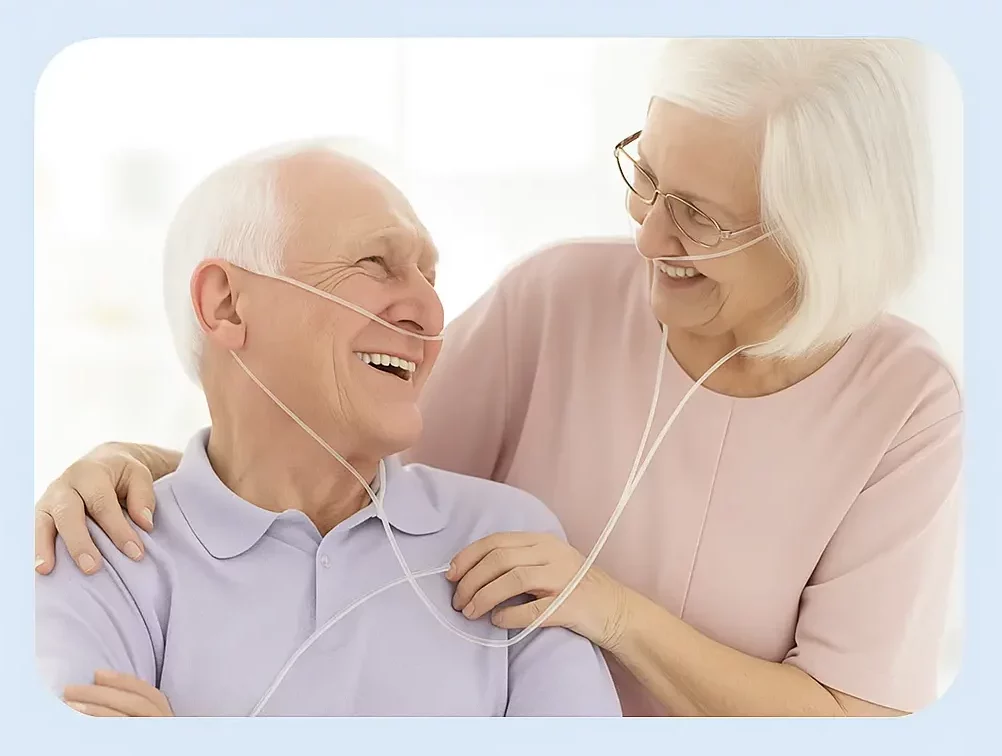
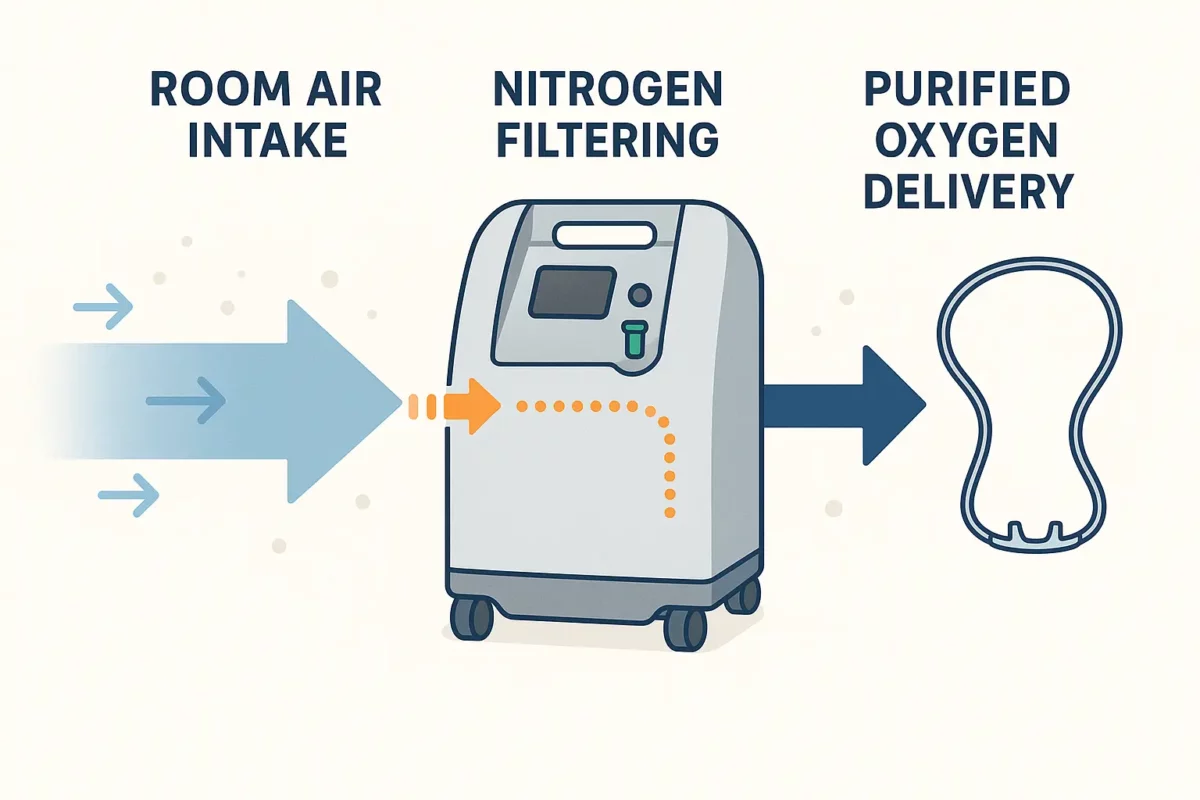
An oxygen concentrator is a medical device that delivers extra oxygen to people who have trouble breathing on their own. It pulls air from the room, filters out nitrogen, and sends purified oxygen through a tube into your nose or mask. It’s often used in oxygen therapy for conditions like COPD, sleep apnea, or during recovery from illness.
✅ What Is an Oxygen Concentrator and How Does It Work?
A traditional oxygen machine might make you think of bulky tanks, but an oxygen concentrator works differently. Instead of storing oxygen, it makes oxygen on demand using room air.
Here’s how it works:
Takes in surrounding air (which is about 21% oxygen)
Filters out nitrogen and other gases
Delivers up to 90–95% pure oxygen through a nasal cannula or face mask
It supports breathing therapy by helping your lungs get more oxygen when they can’t absorb enough naturally.
👴 Who Needs an Oxygen Concentrator?
This device is commonly prescribed for:
Chronic Obstructive Pulmonary Disease (COPD)
Long COVID or pneumonia recovery
Severe asthma or pulmonary fibrosis
Sleep apnea, especially when combined with low blood oxygen levels
Heart failure with low oxygen saturation
It’s also useful for older adults, caregivers managing chronic conditions, or anyone experiencing low oxygen levels during daily life or sleep.
➡️ Explore Home Oxygen Concentrators
➡️ Shop Portable Oxygen Generators
➡️Explore CPAP/BIPAP Machines for Sleep Apnea Therapy🛌 Can You Sleep with an Oxygen Concentrator?
Yes, you can sleep with an oxygen concentrator—especially if your doctor recommends it for conditions like sleep apnea, COPD, or shallow nighttime breathing.
Here’s how pulse flow and continuous flow compare:
Feature | Pulse Flow | Continuous Flow |
|---|---|---|
How it works | Delivers oxygen only when you inhale | Delivers oxygen nonstop, even when you’re not inhaling |
Best for | Active users, daytime use, travel | Sleep, high oxygen needs, shallow breathing |
Battery life (if exist) | Longer, more efficient | Shorter, uses more power |
Noise level | Generally quieter | May be slightly louder |
Device size | Often smaller and lighter | Usually larger, especially home models |
Sleep compatibility | ❌ Not ideal (no oxygen between breaths) | ✅ Recommended for overnight use |
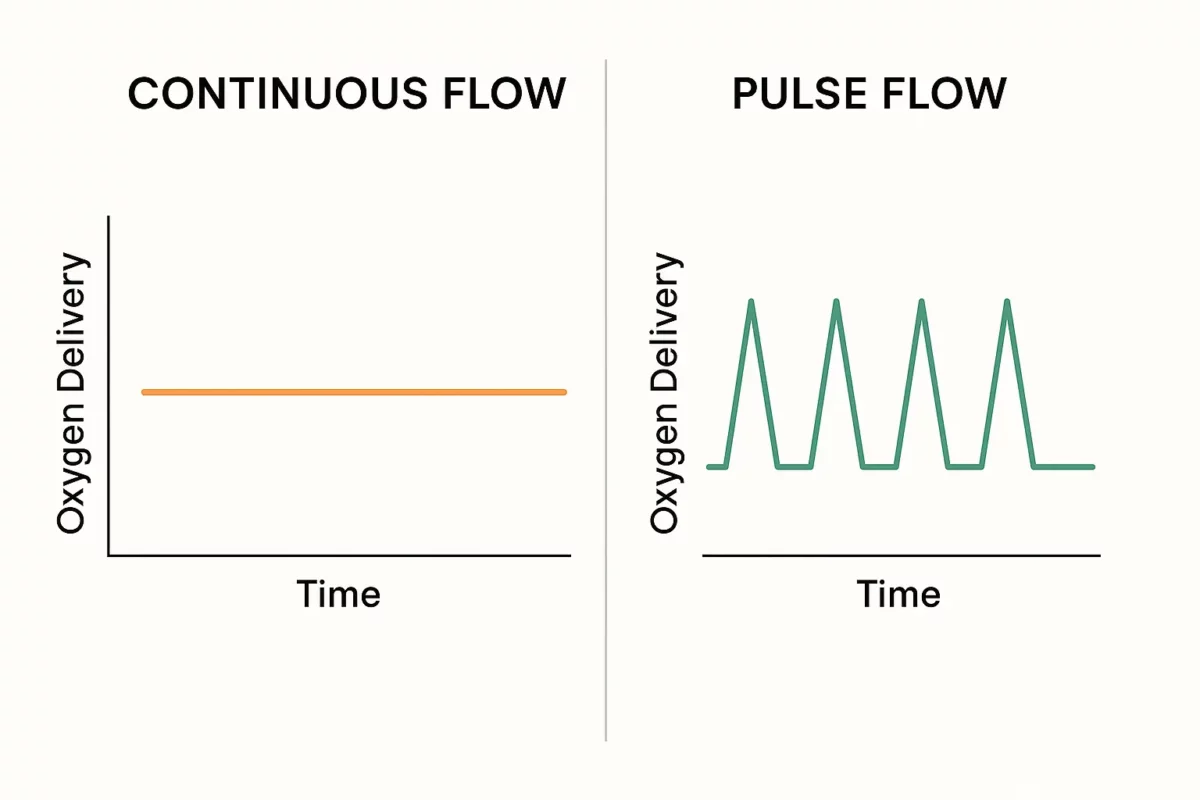
➡️ For sleep, continuous flow is strongly recommended because it provides oxygen even if your breathing is irregular or you sleep with your mouth open.
🔗 Recommended Products for Sleep:
High Purity Oxygen Concentrator 7L – YK-201N – Quiet and stable
7L Oxygen Concentrator Machine -Dual Function – Sleep-friendly design
💤 What If Your Sleep Issues Are Caused by Sleep Apnea?
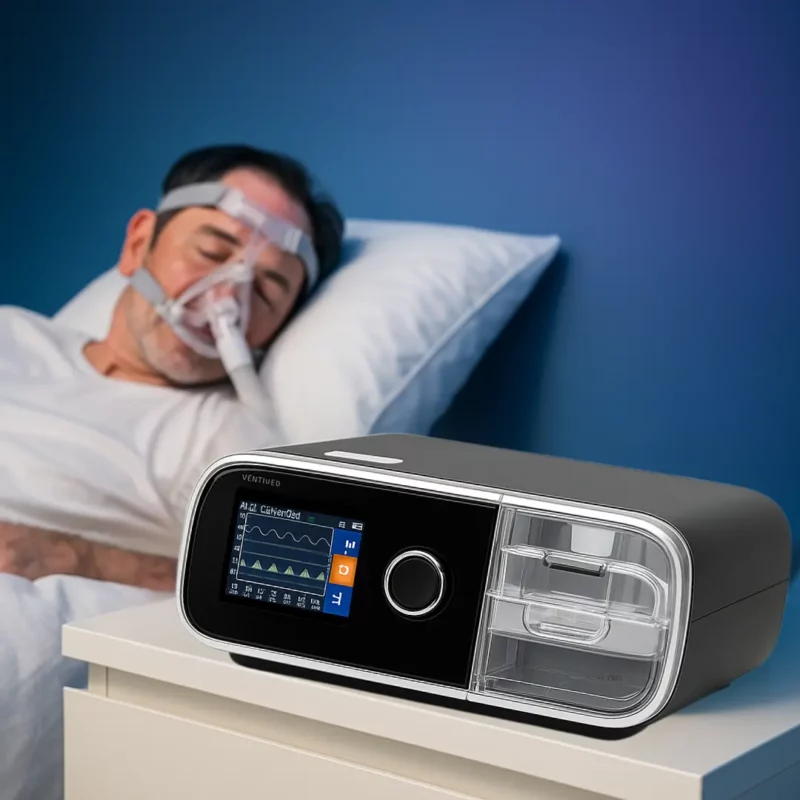
If your breathing problems at night are due to sleep apnea rather than low oxygen levels, your doctor may recommend a CPAP or BiPAP machine instead of—or in addition to—an oxygen concentrator.
These machines help keep your airways open and prevent the snoring, choking, or pauses in breathing caused by obstructive or central sleep apnea.
CPAP vs BiPAP – What’s the Difference?
CPAP (Continuous Positive Airway Pressure) delivers one constant pressure to keep your airway open.
BiPAP (Bilevel Positive Airway Pressure) gives two pressure levels: higher when you inhale, lower when you exhale—for a more natural breathing feel.
🔗 Learn more in our guide: CPAP vs BiPAP – Which Is Right for You?
🛏 Recommended Devices:
If you or a loved one snores loudly, wakes up gasping, or feels exhausted during the day, one of these machines may be more effective than oxygen therapy alone.
⚠️ What Are the Disadvantages of an Oxygen Concentrator?
While incredibly helpful, oxygen concentrators come with a few considerations:
Disadvantage | Details |
|---|---|
Electricity-dependent | Needs power to run, so may not work during outages unless battery backup is used |
Noise | Some units produce a humming sound (choose low-noise models for bedrooms) |
Mobility limitations | Home machines are stationary; if you move around a lot, a portable oxygen generator may be better |
Initial learning curve | Caregivers or users may need brief training to use it properly |
💡 Solution: All of these issues are solved with our offered models such as:
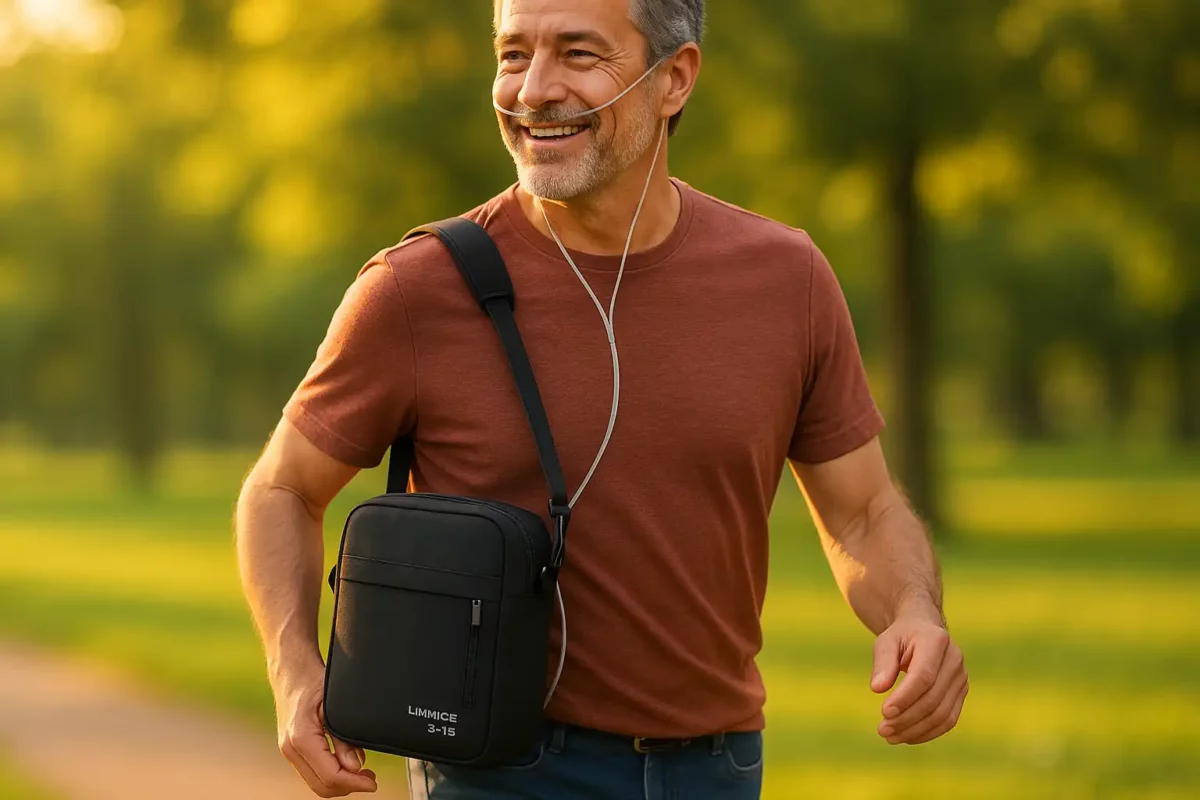
Portable Oxygen Concentrator 1–5L – Lightweight and rechargeable
OXU™ Portable Generator Machine – Travel-friendly and compact
🧠 How to Choose the Right Oxygen Machine
When selecting an oxygen machine, consider:
Doctor’s recommendation (flow rate in LPM)
Continuous vs pulse flow: Pulse is better for active use, continuous for sleep
Portability needs: Will you use it only at home, or on the go?
Ease of use: For older adults or caregivers, simple controls are best
👵 If you’re caring for a loved one, look for features like:
Quiet operation
Easy-to-read displays
Reliable customer support
🌐 Trusted Sources on Oxygen Therapy
For more in-depth medical guidance:
🛒 Ready to Find the Right Oxygen Concentrator?
We offer a wide range of oxygen therapy solutions tailored for home use, travel, and sleep support. Our products are easy to use, quiet, and designed with comfort in mind.
🔗 Shop Our Best Seller Devices:
Ventmed- Auto CPAP Machine with Mask and Humidifier Hose (for sleep apnea with low oxygen)
💬 Need Help Choosing?
Talk to our product experts and get personalized recommendations based on your condition, lifestyle, and doctor’s prescription.
📞 Contact Us