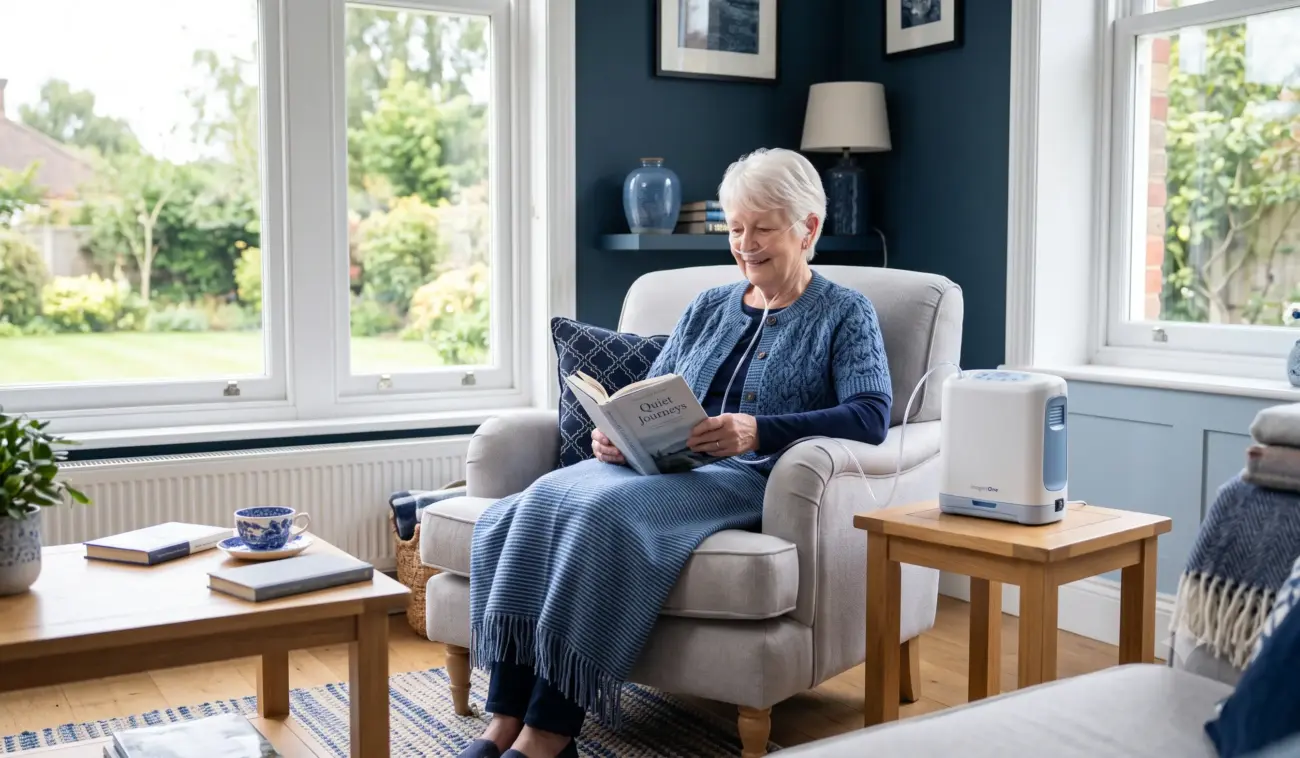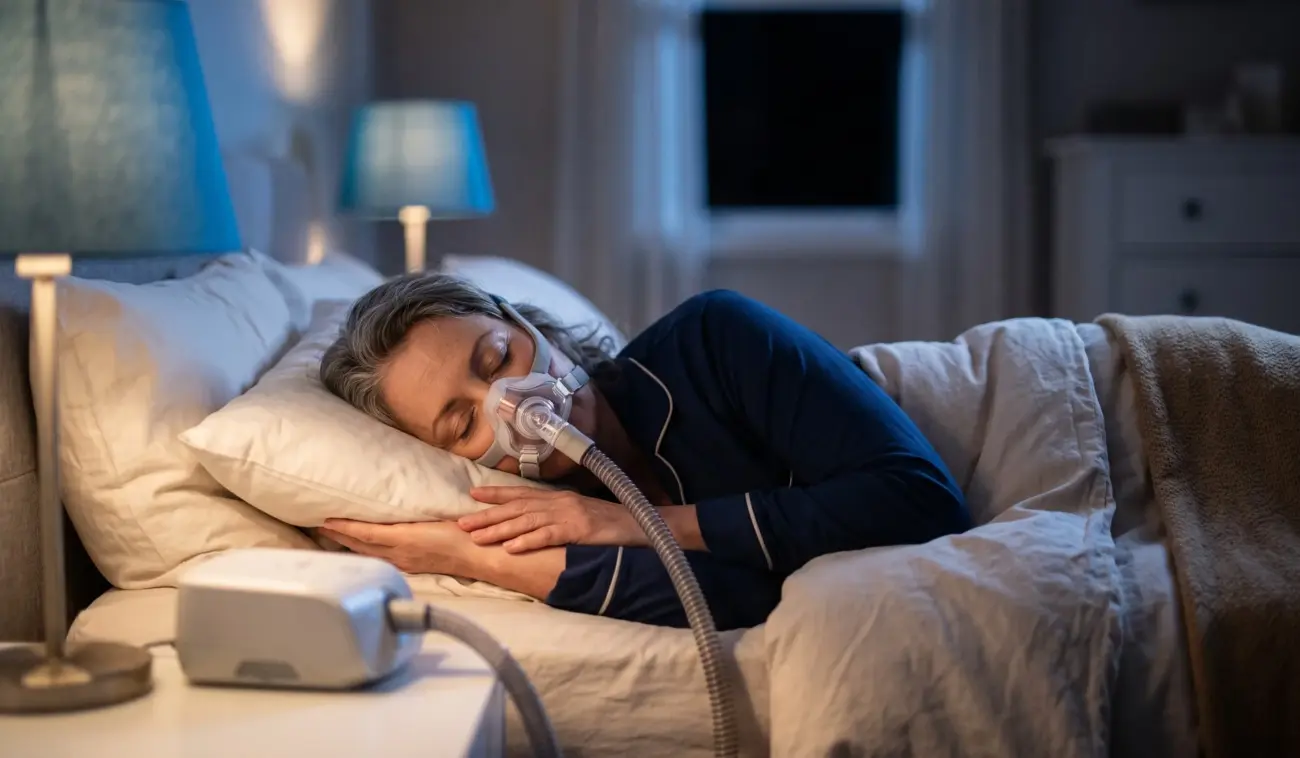

Whether you're managing a long-term lung condition, recovering from illness, or supporting an older relative who needs supplemental oxygen at home, the options can feel confusing fast. Different devices, different pressure settings, pulse vs. continuous flow, CPAP vs. concentrator. What does each one actually do, and which is right for your situation?
This guide covers every main type of oxygen therapy device, explains how each works in plain terms, and gives you a clear recommendation for each use case, so you can make a confident, informed decision rather than a guesswork one.
What Is Oxygen Therapy and Who Needs It?
Oxygen therapy is a medical treatment that delivers supplemental oxygen to people whose lungs can't absorb enough from ordinary air. Normal air is roughly 21% oxygen. For most healthy people, that's sufficient. For people with certain conditions, the lungs struggle to extract enough, and blood oxygen saturation drops to a level where the body can't function well. This is called hypoxemia.
Conditions that commonly require oxygen therapy include:
- COPD (chronic bronchitis and emphysema): the most common reason for long-term home oxygen therapy
- Pulmonary fibrosis: scarring reduces the lung's oxygen-transfer surface
- Heart failure: the heart can't circulate oxygenated blood efficiently enough
- Sleep apnea with hypoxemia: breathing pauses drop oxygen levels during sleep
- Pneumonia or severe asthma: usually temporary, while the acute illness resolves
- Post-COVID-19 lung complications: some patients need supplemental support during recovery
According to NHS guidance on home oxygen treatment, long-term oxygen therapy is prescribed when resting oxygen saturation falls consistently below 92%, or lower thresholds apply for certain conditions. The British Lung Foundation (Asthma and Lung UK) also provides detailed guidance for people starting oxygen therapy at home.
The Main Types of Oxygen Therapy Device
Home Oxygen Concentrators: For Daily, Stationary Use
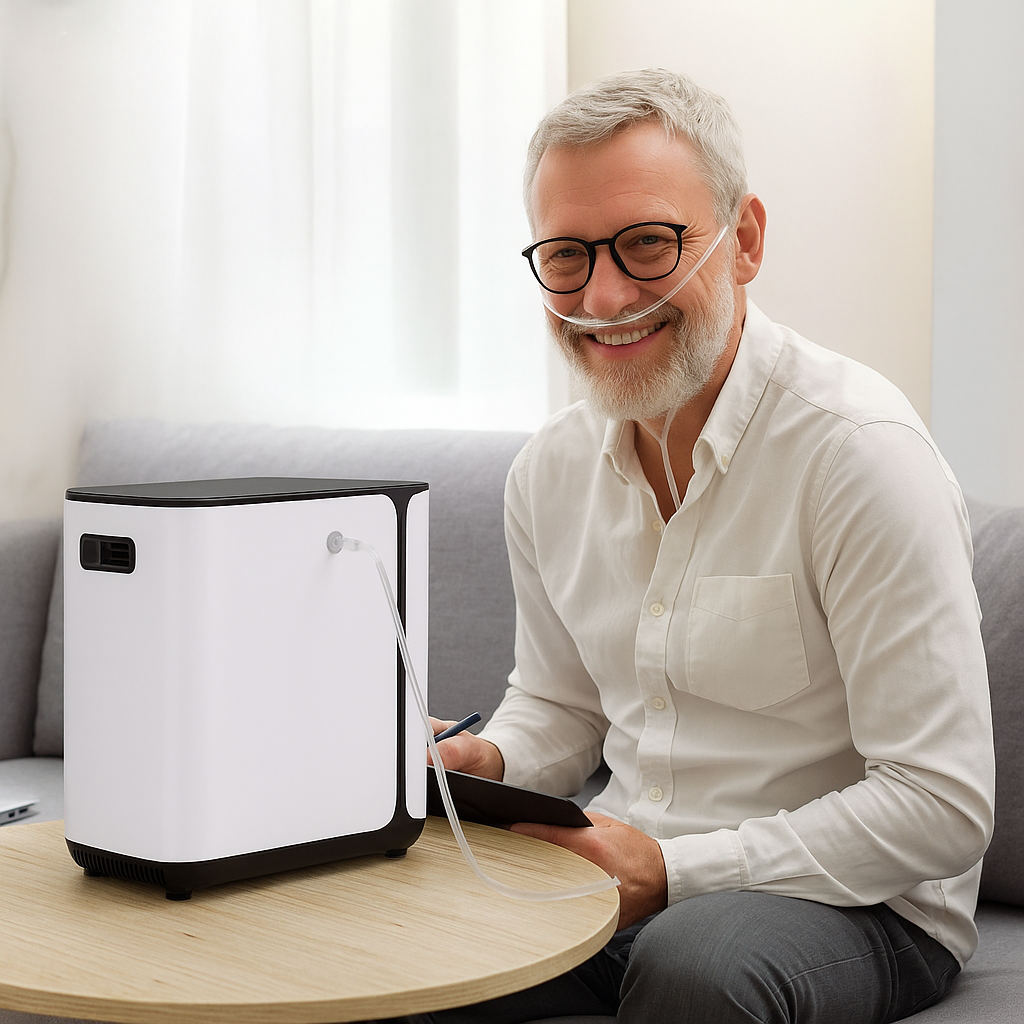
A home oxygen concentrator draws in ambient room air, passes it through a molecular sieve bed that filters out nitrogen, and delivers concentrated oxygen, typically 90-95% pure, through a nasal cannula or mask.
Unlike an oxygen tank, it never runs out of supply while powered. It runs on mains electricity, meaning it stays in one room, but it provides uninterrupted oxygen for as long as you need it.
Best for: people who need oxygen at rest, during sleep, or throughout the day at home. Most models are designed for stationary use, though some can be moved between rooms.
Flow rates available: most home units cover 1L to 7L per minute, covering the majority of prescribed flow rates.
Browse Broxtal home concentrators: Shop Home Oxygen Concentrators
Portable Oxygen Concentrators (POCs): For Active, Mobile Use

A portable oxygen concentrator (POC) works on the same principle as a home unit but is designed to be carried. Most weigh between 1.2kg and 2.5kg, run on rechargeable batteries, and can be carried in a shoulder bag or backpack.
Most POCs use pulse flow delivery, sending a burst of oxygen only when they detect an inhale, which extends battery life significantly. Some larger models also offer continuous flow for users who need a guaranteed, uninterrupted supply on the move.
Best for: people who need oxygen during daily activities, errands, and travel. Several models are also FAA-approved for use on commercial flights.
For a model-by-model breakdown with real specs and prices, see our Portable Oxygen Concentrator Buyers Guide.
Browse Broxtal portable concentrators: Shop Portable Oxygen Concentrators
Pulse Flow vs. Continuous Flow: The Key Difference

- Continuous flow delivers a steady stream of oxygen regardless of your breathing pattern. Best for sleep, shallow breathing, and higher prescribed flow rates.
- Pulse flow detects each inhale and sends a concentrated burst of oxygen at that moment only. More battery-efficient, better for daytime and active use.
Your prescribed flow rate and whether you need oxygen at night are the two factors that determine which type is right for you.
| Factor | Continuous Flow | Pulse Flow |
|---|---|---|
| Delivery | Steady, constant stream | Burst on each inhale only |
| Best for | Sleep, high flow needs, shallow breathing | Daytime use, active users, travel |
| Battery life | Shorter (uses more power) | Longer (more efficient) |
| Device size | Typically larger | Smaller and lighter |
| Overnight use | Recommended | Not recommended without clinical guidance |
CPAP and BiPAP Machines: For Sleep Apnea (Not Oxygen Therapy)

CPAP and BiPAP machines are frequently mentioned alongside oxygen concentrators, but they solve a different problem. They don't add oxygen to the air. They deliver pressurised room air through a mask to physically hold your airway open, preventing the collapse that causes sleep apnea episodes.
CPAP delivers one continuous pressure level. BiPAP delivers two, higher on inhale, lower on exhale, making it easier for people with lung conditions to breathe out against the pressure.
For the full breakdown, see our guides: CPAP Machine: Everything You Need to Know and BiPAP Machine: How It Works, Uses, and Key Benefits.
Browse Broxtal CPAP and BiPAP machines: Shop CPAP Machines
Oxygen Concentrator vs. Oxygen Tank: Which Is Better?
| Factor | Oxygen Concentrator | Oxygen Tank / Cylinder |
|---|---|---|
| Supply | Continuous, never runs out while powered | Fixed, finite, needs refilling |
| Running cost | Electricity only | Ongoing refill or rental fees |
| Safety | No pressurised gas stored | High-pressure cylinder, fire risk if stored near heat |
| Best use | Daily long-term therapy at home or on the move | Emergency backup, short-term or low-volume use |
For the detailed comparison, see: Oxygen Concentrator vs Oxygen Tank: Which One Do You Need?
One Clear Recommendation for Each Use Case
Choosing the right device comes down to your situation, not a features list. Here's one clear answer for each scenario:
How Long Can You Stay on an Oxygen Machine?
There is no fixed upper limit. Many people with COPD or pulmonary fibrosis use a home oxygen concentrator for years, continuously, as part of long-term disease management. Others use one temporarily, during recovery from pneumonia or surgery, and taper off once their oxygen saturation stabilises. The duration is set by your clinical team based on regular monitoring of your oxygen levels, not by the machine itself.
The NHS guidance on home oxygen recommends using long-term oxygen therapy for at least 15 hours a day to achieve the survival benefit shown in clinical trials, including during sleep. Fewer hours may still provide symptom relief but may not carry the same long-term benefit.
Oxygen Therapy at Home: Safety Rules
- Keep all oxygen equipment at least 2 metres from open flames, gas hobs, lit candles, or other heat sources.
- Never smoke, or allow anyone to smoke, in the same room as an oxygen device or while wearing a cannula.
- Don't use oil-based lotions, petroleum jelly, or aerosol sprays near the mask or cannula.
- Clean the nasal cannula, mask, and humidifier bottle regularly as instructed to prevent infection.
- Keep the machine's air intake vent clear, don't push it against a wall or tuck it under bedding.
- Use distilled water in humidifier attachments to prevent mineral buildup.
- Always use your prescribed flow rate, more is not always better and can, in rare cases, worsen some conditions.
- Have a backup plan for power outages if you rely on continuous oxygen therapy.
When to Call Your Doctor
Contact your GP or specialist if you're on oxygen therapy and notice:
- Increasing breathlessness that isn't relieved by your current oxygen setting
- Persistent confusion, fatigue, or a bluish tint to lips or fingertips (cyanosis)
- Oxygen saturation readings consistently below your target range on a pulse oximeter
- Any changes in your oxygen equipment that affect delivery, such as unusual sounds or error messages
Frequently Asked Questions
What is the most common oxygen therapy device?
The home oxygen concentrator is the most widely prescribed device for long-term oxygen therapy. It provides a continuous, unlimited supply of concentrated oxygen from room air, with no refilling needed.
How long can you stay on an oxygen machine?
There is no fixed limit. Many people use one for years as part of long-term condition management. The NHS recommends at least 15 hours per day for people on long-term oxygen therapy to achieve the clinical benefit shown in trials.
Can I use a portable oxygen concentrator on a plane?
Yes, if the model is FAA-approved. You must notify your airline at least 48 hours before departure and carry sufficient battery for 150% of the flight duration. Not all portable concentrators are approved for air travel, always check before booking.
Is a CPAP machine the same as an oxygen concentrator?
No. A CPAP machine uses pressurised room air to keep the airway open for sleep apnea. An oxygen concentrator adds supplemental oxygen for people with low blood oxygen levels. They treat different conditions.
Can I get an oxygen concentrator on the NHS?
Yes, if you meet clinical criteria assessed by your GP or respiratory specialist. NHS-provided home concentrators are available but may involve waiting times. Buying privately is an option for those who need therapy sooner.
What oxygen saturation level requires oxygen therapy?
The NHS and most clinical guidelines consider long-term oxygen therapy when resting saturation falls consistently below 92%, though the specific threshold varies by condition. A doctor will assess using arterial blood gas measurements, not just a pulse oximeter reading.
For further clinical guidance, refer to NHS home oxygen treatment guidance and the British Lung Foundation oxygen support page.
Not sure which device is right for you? Our specialists can help.
Contact Broxtal