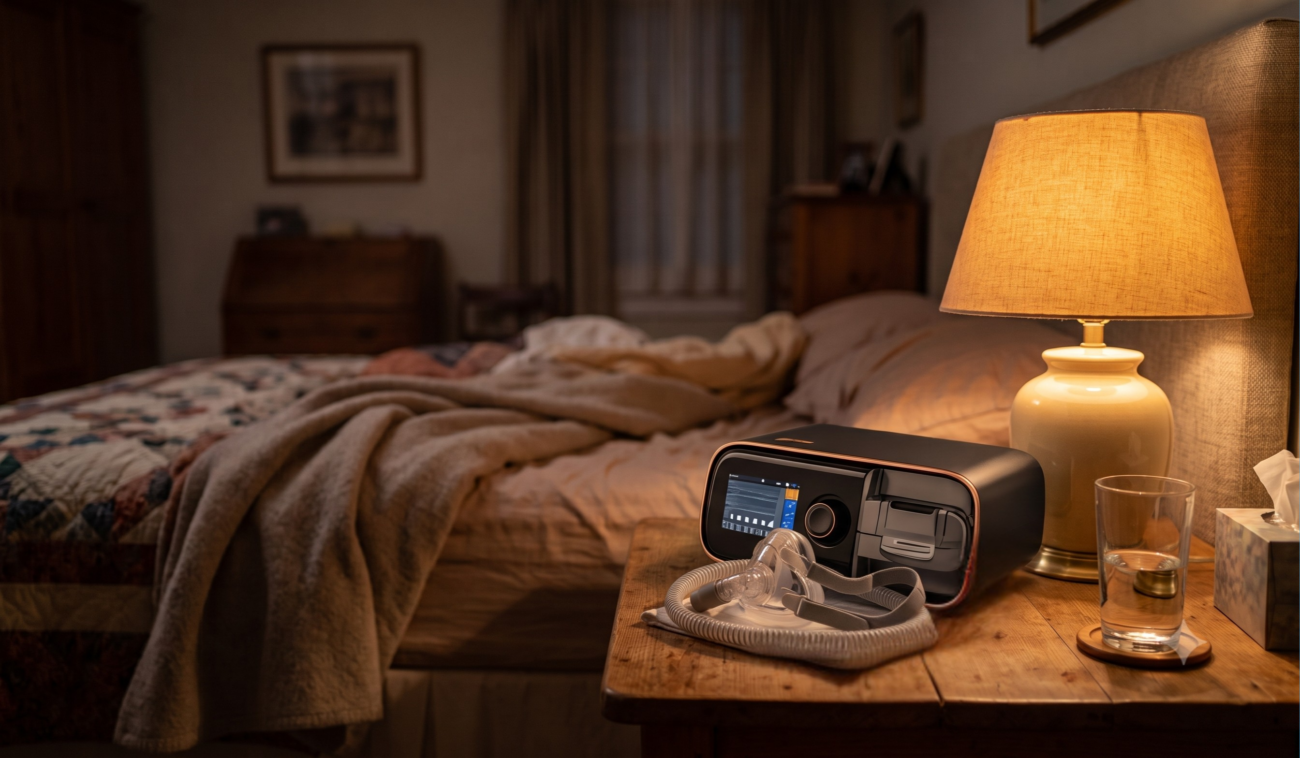

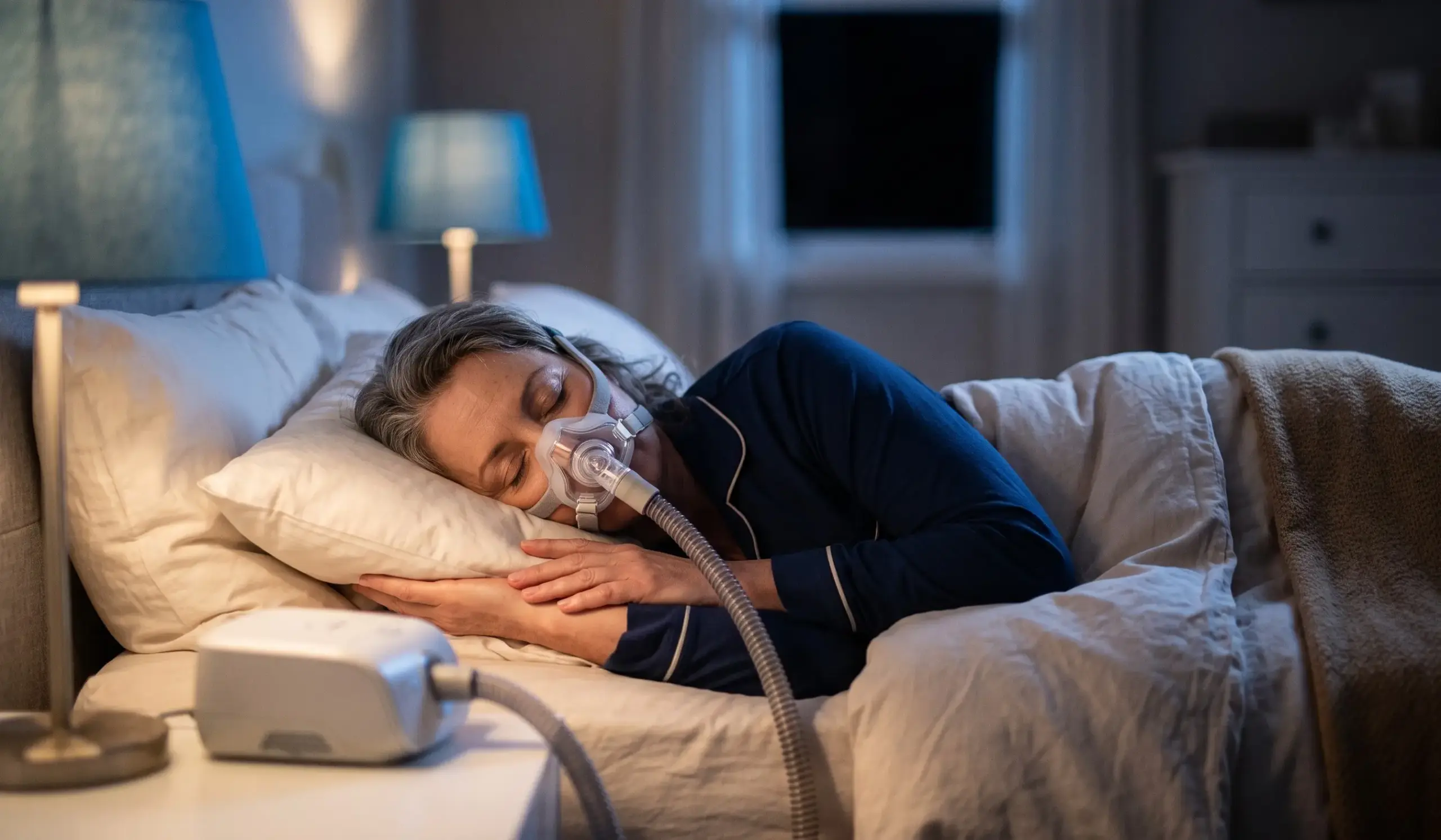
Do you wake up tired even after a full night's sleep? Or does your partner notice pauses in your breathing at night? These could be signs of sleep apnea, a condition where breathing repeatedly stops and starts during sleep. Left untreated, it can raise the risk of heart disease, high blood pressure, and stroke.
In this guide, we'll explain what sleep apnea is, the difference between a CPAP machine and a BiPAP machine, when each is used, and how APAP compares to both.
Sleep Apnea Explained
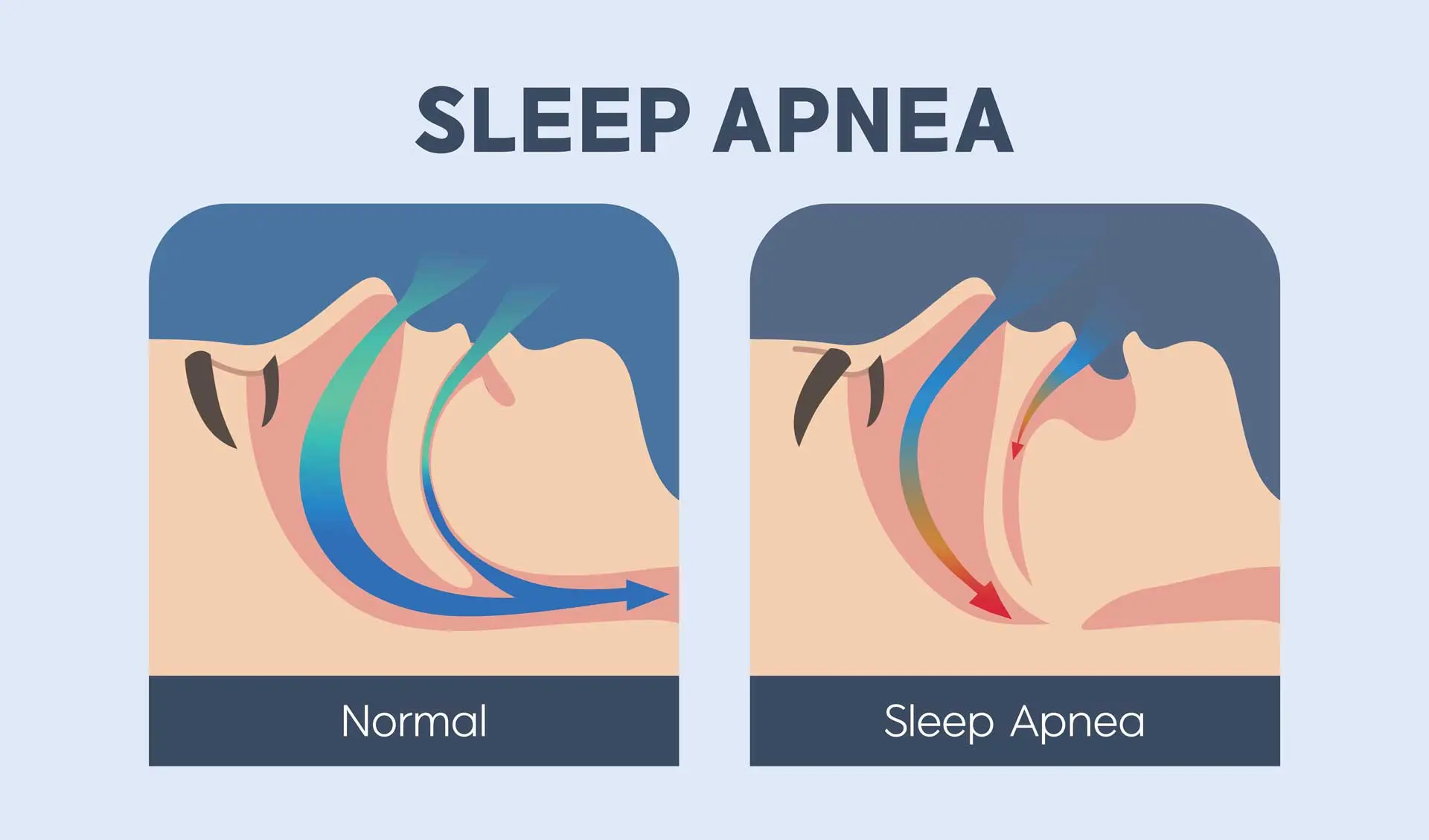
Sleep apnea is a sleep disorder where the airway becomes blocked (obstructive sleep apnea) or the brain fails to send breathing signals (central sleep apnea). Both lead to disrupted sleep and low oxygen levels. The standard treatment is positive airway pressure (PAP) therapy, delivered through a CPAP, BiPAP, or APAP machine.
CPAP vs BiPAP: Key Differences at a Glance
| Feature | CPAP | BiPAP |
|---|---|---|
| Pressure delivery | One constant pressure throughout the breathing cycle | Two pressure levels: higher on inhale, lower on exhale |
| Best suited for | Mild to moderate obstructive sleep apnea | Severe sleep apnea, or where CPAP pressure is hard to exhale against |
| Common use case | First-line home therapy | Coexisting lung conditions, central sleep apnea, higher pressure needs |
| Comfort on exhale | Can feel harder to breathe out against a fixed pressure | Generally easier to exhale, as pressure drops automatically |
Ready to start therapy? Browse certified CPAP and BiPAP machines.
Shop CPAP & BiPAPWhy Is BiPAP Preferred Over CPAP in Some Cases?
BiPAP is preferred when a person struggles to exhale against a single fixed CPAP pressure, or when sleep apnea is severe enough to need higher pressure than CPAP alone can comfortably deliver. It's also commonly used for people with coexisting conditions such as COPD or central sleep apnea, where two separate pressure levels support breathing more effectively than one constant pressure.
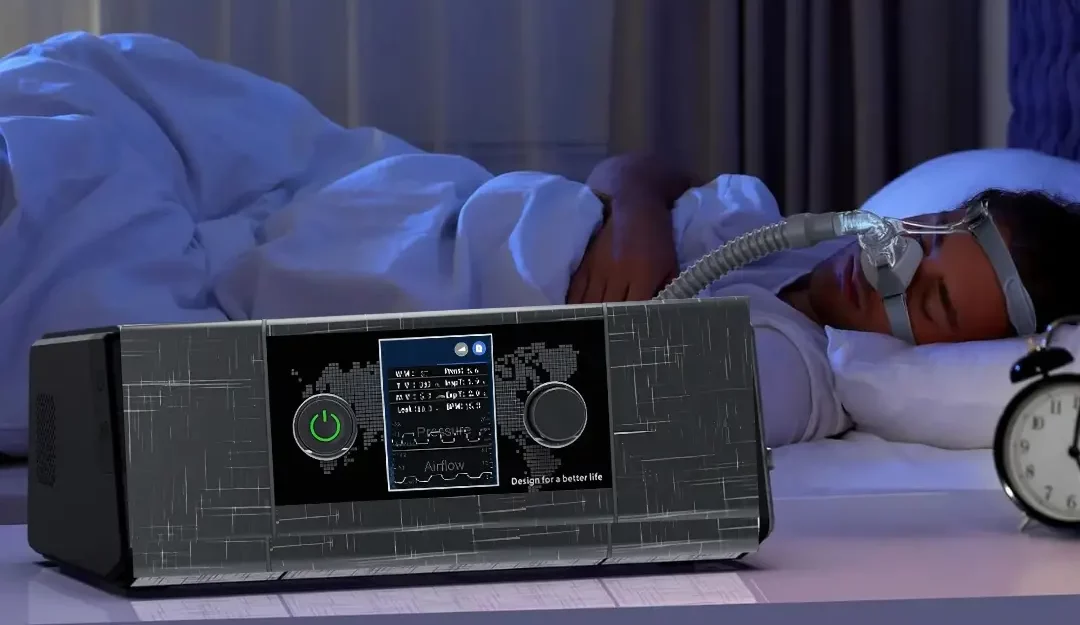
Noise level is another reason people move to BiPAP: many modern BiPAP machines run as quietly as 29dB, so the machine itself doesn't disrupt the sleep it's meant to improve.
What Is the 4-Hour Rule for CPAP and BiPAP?
The 4-hour rule refers to a common compliance benchmark: using your CPAP or BiPAP machine for at least 4 hours a night, on 70% of nights, is generally the threshold used to judge whether therapy is being used consistently enough to be effective. Some insurers and clinics use this figure to assess adherence, though the real goal is to wear the mask for the whole night, every night, for the best results.
Which Is Easier to Use, CPAP or BiPAP?
CPAP is generally considered simpler to use. It has one pressure setting, fewer adjustable modes, and is usually the machine people are prescribed first. BiPAP has more settings to understand, since it manages two pressure levels, but many people find it more comfortable once set up correctly, particularly if they struggled to tolerate CPAP.
Does a CPAP Machine Remove CO2?
A standard CPAP machine does not actively remove carbon dioxide (CO2). It works by holding the airway open with continuous pressure, which prevents the collapse that causes obstructive sleep apnea. Some BiPAP machines, particularly those with a dedicated CO2-washout or timed backup mode, are better suited to conditions where CO2 retention is a concern, which is one reason BiPAP is sometimes chosen over CPAP for patients with certain lung conditions.
CPAP vs BiPAP vs APAP: What's the Difference?
An APAP machine (Auto-adjusting Positive Airway Pressure) automatically raises or lowers pressure throughout the night based on your breathing, rather than using one fixed setting like CPAP or two fixed levels like BiPAP. It's a good option for people whose pressure needs vary by sleep position, night, or season.
- CPAP: one fixed pressure, all night
- BiPAP: two fixed pressure levels, inhale and exhale
- APAP: pressure adjusts automatically in real time
Some machines, like the Broxtal Auto-S CPAP/APAP Machine, combine CPAP and APAP modes in one device, so you can start on a fixed setting and switch to auto-adjusting pressure if your needs change. For a fuller breakdown of how APAP compares to CPAP, see our guide APAP Machines Explained: APAP vs CPAP.
Want pressure that adjusts to you automatically?
Shop the Auto-S CPAP/APAP MachineBenefits of CPAP and BiPAP Therapy
- Restores normal breathing at night
- Improves sleep quality
- Reduces daytime fatigue
- Lowers risk of heart problems
- Supports oxygen therapy for those with low oxygen saturation
Not sure which type is right for your situation? Our guide Do I Know If I Need CPAP or BiPAP? walks through it in more detail. Looking for a compact solution? Explore our Portable Oxygen Concentrators, ideal for patients needing extra oxygen on the go.
Causes of Sleep Apnea
The main causes of sleep apnea include:
- Excess weight or obesity
- Relaxed throat muscles during sleep
- Narrow airway or enlarged tonsils
- Genetic factors
- Neurological issues (in central sleep apnea)
FAQs About Sleep Apnea
What is the main cause of sleep apnea?
The main cause is airway blockage due to relaxed throat muscles, often worsened by obesity or anatomical factors.
What are the dangers of sleep apnea?
Untreated sleep apnea can lead to high blood pressure, heart disease, stroke, type 2 diabetes, and chronic fatigue.
What are the warning signs of sleep apnea?
Common signs include loud snoring, gasping or choking at night, morning headaches, dry mouth on waking, and excessive daytime sleepiness.
Can you recover from sleep apnea?
Sleep apnea often requires long-term management. Lifestyle changes such as weight loss, quitting smoking, and consistent use of a CPAP or BiPAP machine can significantly reduce symptoms. In some cases, surgery may help.
What happens if sleep apnea is left untreated?
Untreated sleep apnea increases the risk of heart attack, stroke, memory issues, and shortened lifespan. It also worsens overall quality of life.
For NHS guidance on diagnosis and treatment, see the NHS overview of sleep apnoea.
Taking Control of Sleep Apnea
Sleep apnea is more than just snoring, it's a health risk that demands attention. Understanding the differences between CPAP, BiPAP, and APAP helps you choose the right therapy. At Broxtal, we provide certified solutions, from CPAP and BiPAP machines to portable oxygen therapy devices, so you can breathe and sleep better.
Explore our full range of sleep therapy devices.
Shop Sleep Therapy