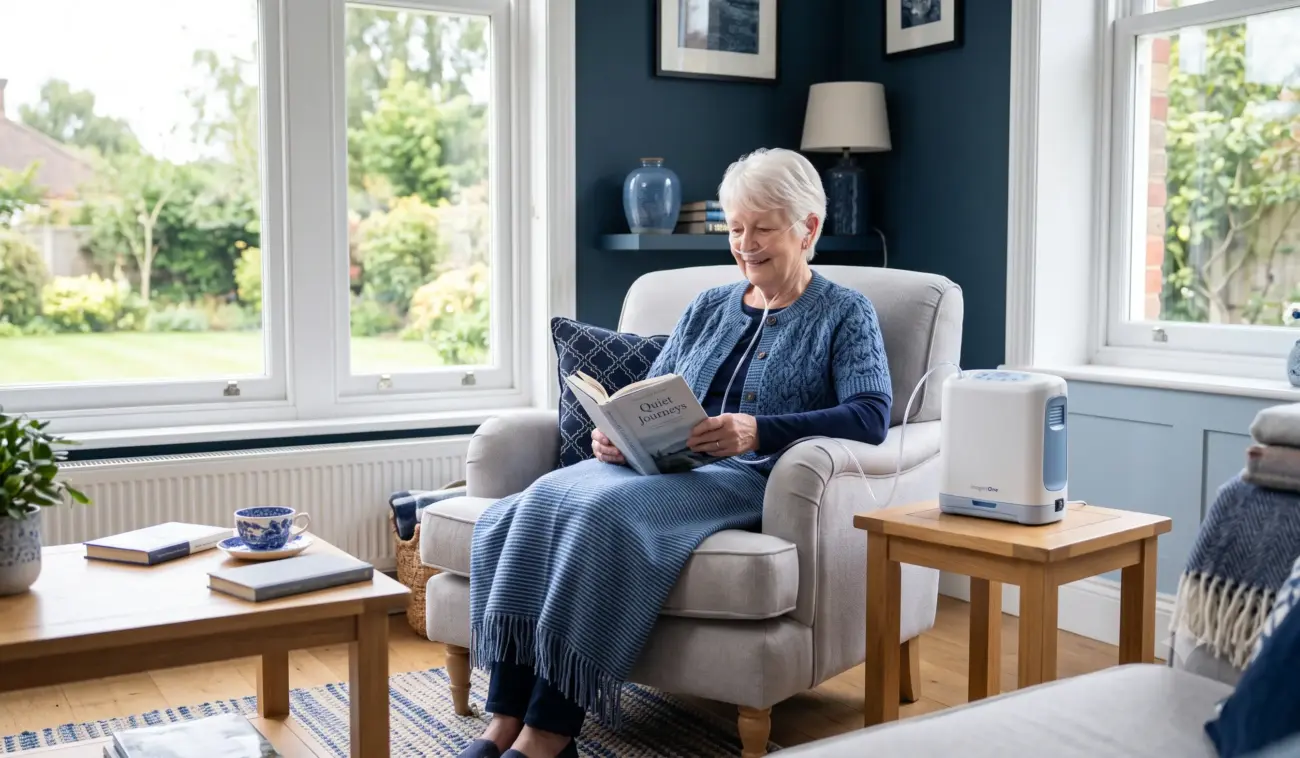


Yes, you can fly with a portable oxygen concentrator (POC) on UK and international flights, as long as the model is FAA-approved, you carry enough battery for 150% of your travel time, and you notify your airline in advance. If you rely on supplemental oxygen and you're planning a trip, the process is well established, but each UK airline has its own notice period, form, and battery rules, and getting one of those wrong is what causes problems at the gate. This guide walks through British Airways, easyJet, Ryanair, Jet2 and Virgin Atlantic's actual policies, the battery maths, and which Broxtal models are built for air travel.
Can You Fly with a Portable Oxygen Concentrator?
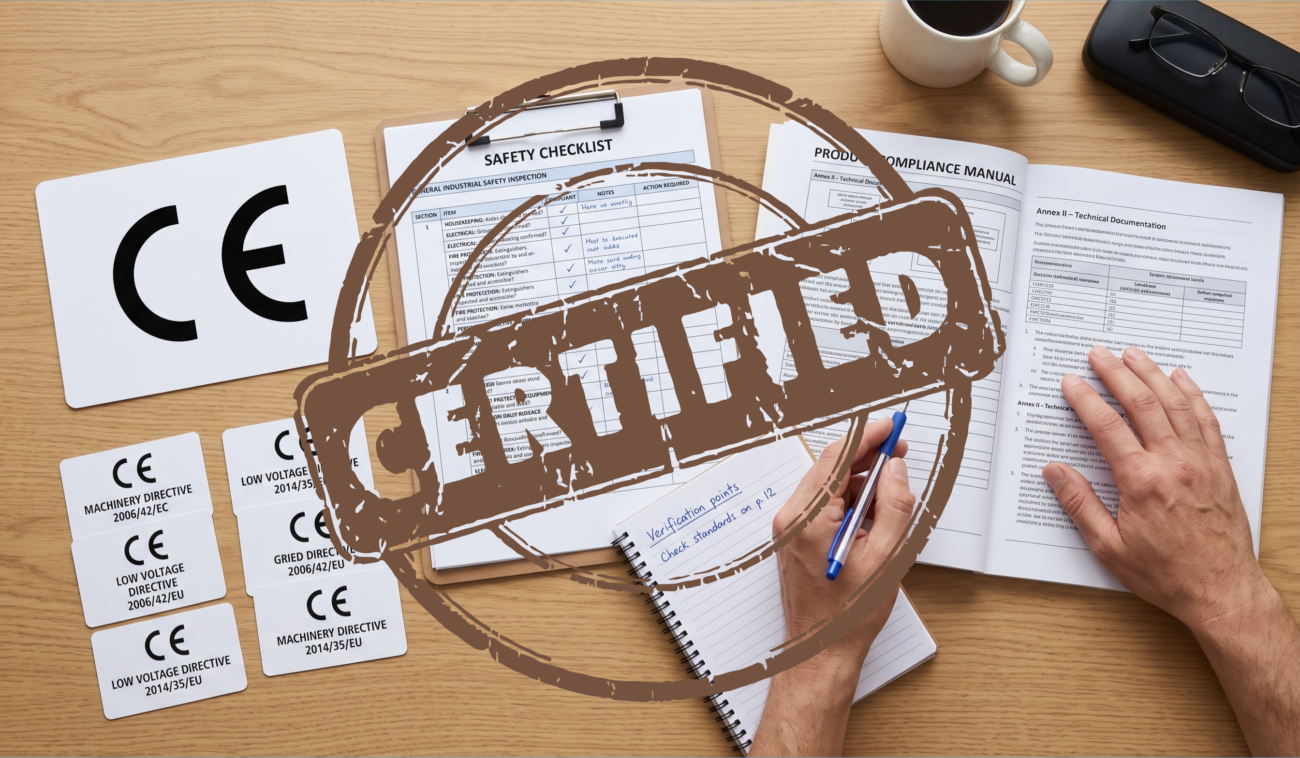
Yes. Under UK and EU rules, airlines must allow passengers to bring an FAA-approved portable oxygen concentrator on board as part of their medical equipment, separate from your normal cabin baggage allowance. This isn't a courtesy the airline can refuse outright, but it does come with conditions: the device needs to carry a manufacturer's label confirming it meets the required aviation acceptance criteria, you need to notify the airline ahead of time, and you'll usually need a letter or medical certificate from a doctor confirming you're fit to fly with it.
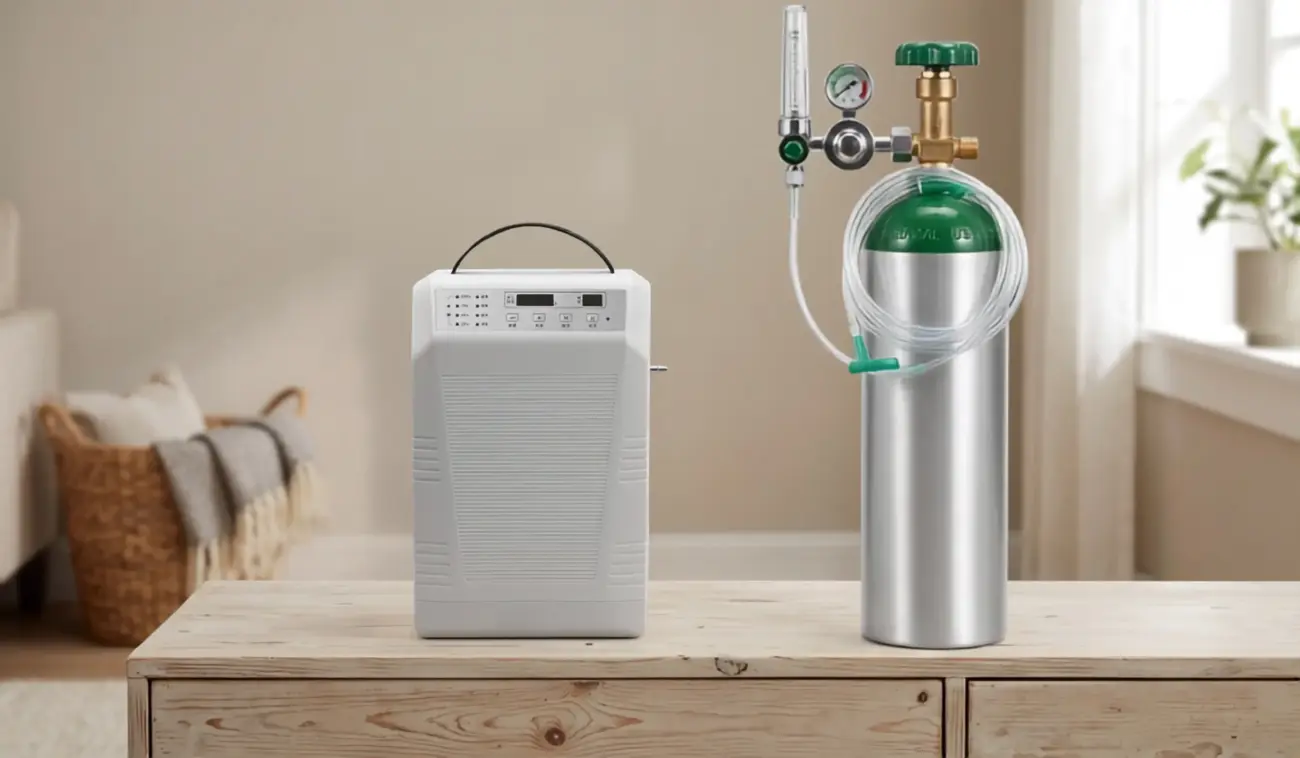
Oxygen cylinders are a different story. Most UK airlines either prohibit passengers from bringing their own compressed or liquid oxygen cylinders outright, or restrict them heavily, because they're classed as dangerous goods. A POC is the practical way to fly with supplemental oxygen.
UK Airline Rules and FAA Approval
Every major UK and long-haul carrier accepts portable oxygen concentrators, but the notice period, paperwork, and battery limits differ by airline. Here's what each currently asks for:
| Airline | Notice required | What you need |
|---|---|---|
| British Airways | At least 7 days before departure | Medical clearance form sent to the Passenger Medical Clearance Unit. FAA-approved device required. Battery limit of 160Wh per unit, max two spares. |
| easyJet | At least 48 hours before departure | Medical certificate confirming the device is needed and you're fit to fly. Mains or battery-powered concentrators accepted. |
| Ryanair | As early as possible, ideally at time of booking | Medical clearance form via the Special Assistance line, plus a fitness-to-fly certificate carried with you. |
| Jet2 | Advance medical clearance required | Medical certificate confirming oxygen is required. Only cleared POC models are accepted, contact the Assisted Travel team to check yours. |
| Virgin Atlantic | At least 48 hours before departure | POC and battery approval request form. No exit row or bulkhead seating if you'll use the device in flight. |
Policies correct at time of writing and can change without notice. Always confirm directly with your airline's special assistance or medical clearance team before booking, since exact notice periods and forms are updated periodically.
Across every airline, the one non-negotiable is FAA approval. This isn't a UK or EU standard, it's a US aviation requirement that international carriers have adopted as the practical baseline, because it confirms the device won't interfere with aircraft electronics and meets safety limits on oxygen pressure. Check your product page or manufacturer documentation for an explicit FAA compliance statement before you book, rather than assuming "travel-friendly" marketing language means the same thing.
Want a model that's explicitly cleared for flying? See our flight-approved portable concentrator.
View Flight-Approved ModelBattery Rules for Flying with a POC
The standard rule across UK and international carriers is that you need enough charged battery to power your concentrator for 150% of your total travel time, not just the flight itself. That means adding your scheduled flight time, plus any layover or connection time, plus a buffer for delays, then multiplying by 1.5.
- Worked example: a 2-hour flight with a 1-hour layover is 3 hours of total travel time. 150% of that is 4.5 hours of battery you need to carry, not just have available at home.
- Spare batteries: most airlines cap you at two spare batteries in hand baggage, each under a watt-hour limit (commonly 160Wh), and batteries must travel in carry-on, never in checked luggage.
- Lithium battery documentation: some airlines ask for the exact watt-hour (Wh) rating of each battery, which is usually printed on the battery itself or in your device's manual.
Broxtal stocks extra batteries for most of our portable machines in the accessories section of each product page. If your model isn't listed there, contact our customer support team and we'll source the right spare battery for your device.
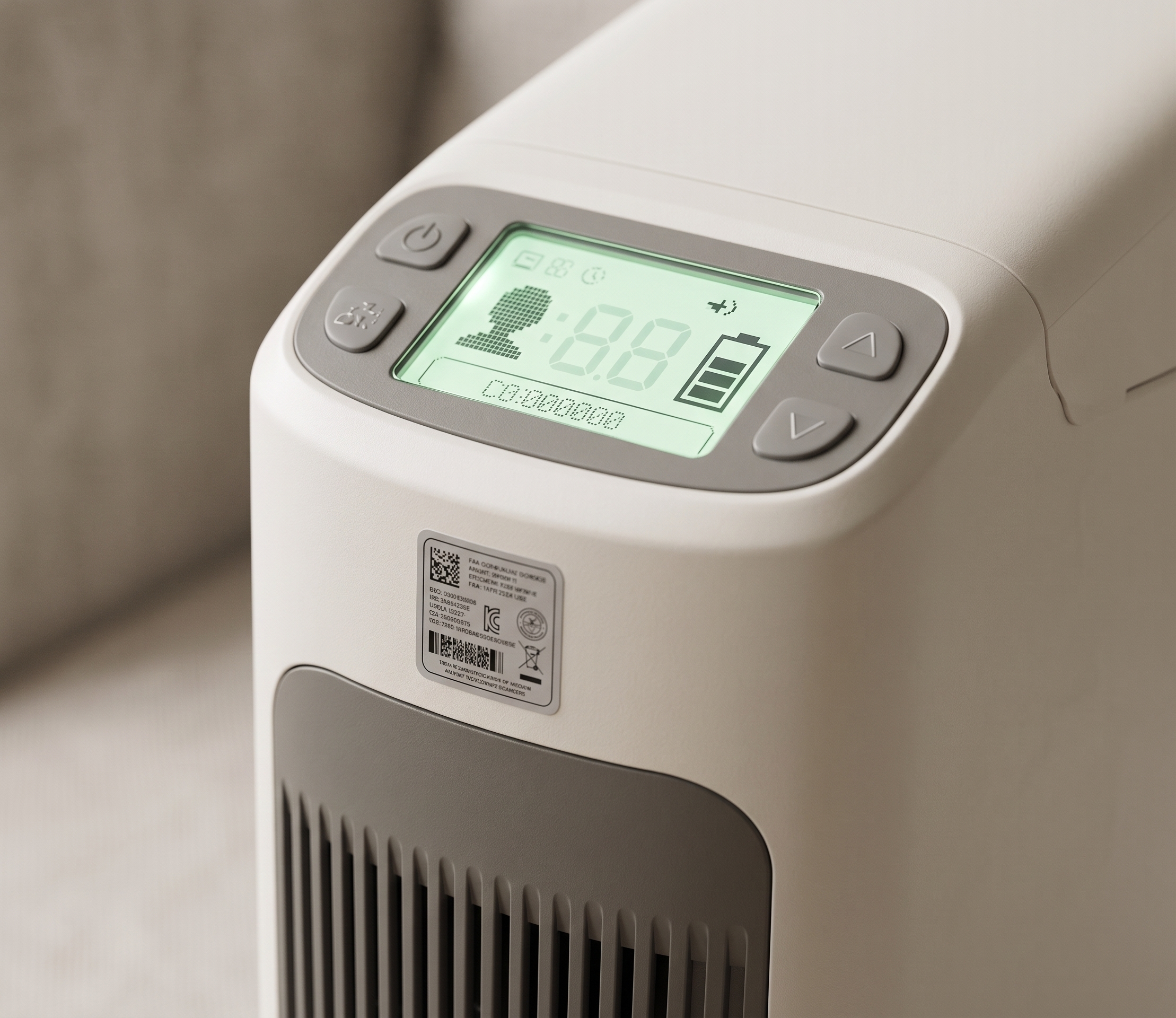
Before you fly, check your device's display for its exact battery percentage and current flow setting, and write down the watt-hour rating from the battery casing. Airline staff may ask for this at check-in or the gate.
Telling the Airline Before You Fly
Every airline in the table above needs advance notice, and the process is broadly the same shape even though the forms differ:
- Contact your airline's special assistance or medical clearance team as soon as you've booked, not the week before.
- Ask your GP or respiratory specialist for a medical certificate or fitness-to-fly letter, some airlines have their own form (a MEDIF) that your doctor needs to complete.
- Confirm your device's exact make and model, and check it against the airline's accepted list if they publish one.
- Work out your 150% battery requirement and confirm your spare batteries meet the airline's watt-hour limit.
- Get written confirmation of your medical clearance and carry a copy with you to the airport.
Best Portable Oxygen Concentrators for Air Travel
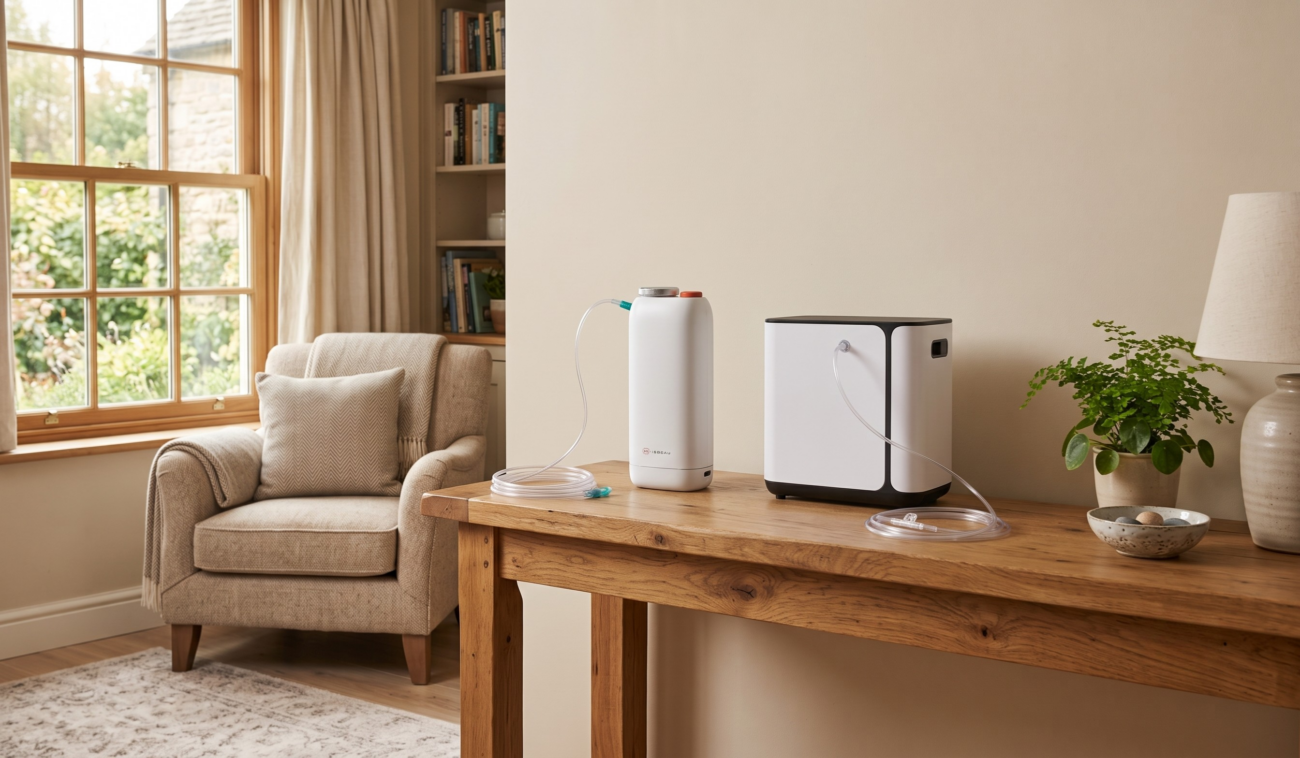
Not every POC is built with flying in mind. For air travel, you want an explicit FAA compliance statement, a battery that comfortably covers a 150% requirement without carrying four spares, and a weight you can manage through security and boarding.
| Modell | Price | Why it works for flying | |
|---|---|---|---|
 | Portable Oxygen Concentrator 5L, Continuous Mode | £849 – £1,088 | Explicit FAA compliance statement, up to 4.5 hours battery per charge, under 45dB, 1.98kg |
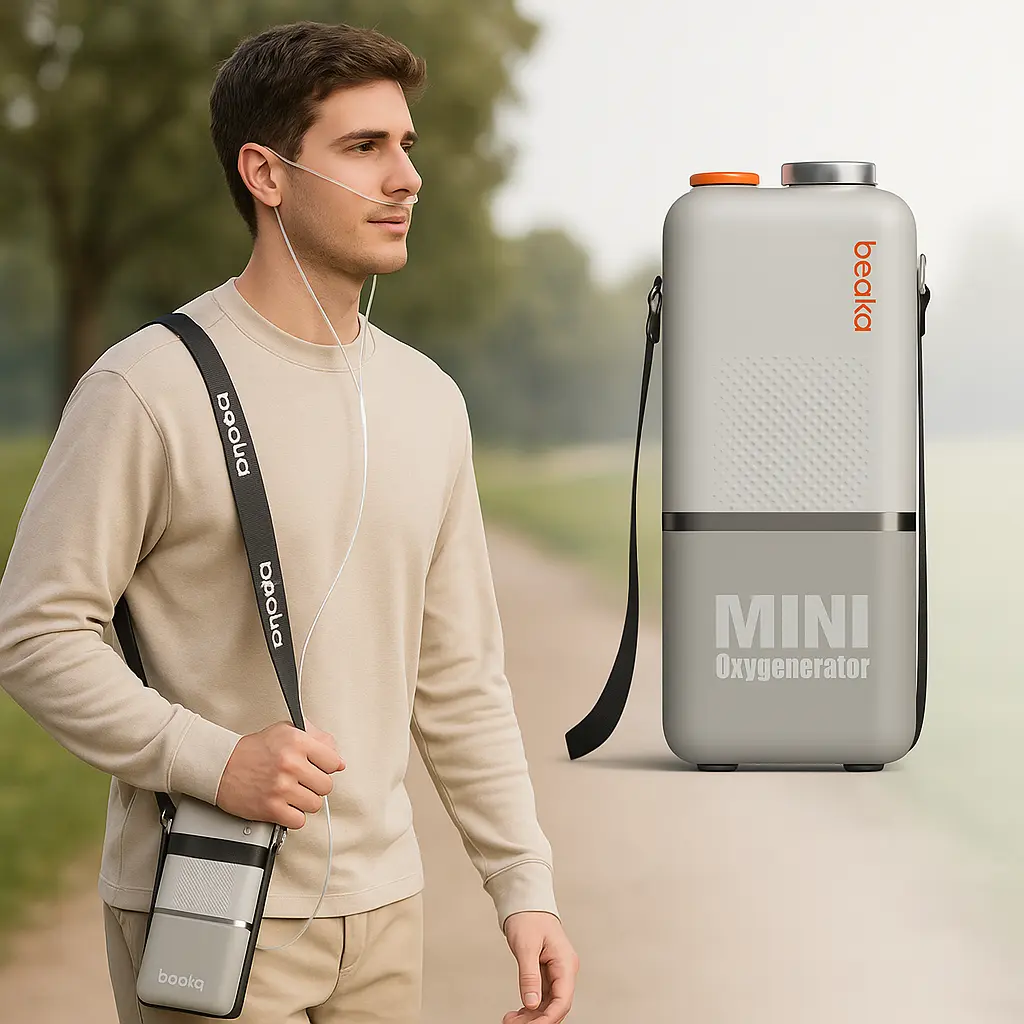 | Boeka™ Mini Oxygen Concentrator | £649 | 1.5kg, 5000mAh battery for 3+ hours, CE certified, easy to carry through the airport |
Prices correct at time of writing and subject to change. Always check the individual product page for current live pricing and confirm FAA approval status before booking your flight.
If your prescribed flow rate allows it, the lighter Boeka™ Mini is easier to manage through security and boarding, but only the Portable Oxygen Concentrator 5L Continuous Mode on our range carries an explicit FAA compliance statement for in-flight use, so it's the safer starting point if flying is a regular part of your travel.

Once you're cleared to fly, your POC can usually be used at your seat throughout the flight, provided it doesn't block the aisle or restrict access to an exit for other passengers.
Compare our full range of flight-ready portable concentrators.
Browse Portable Oxygen ConcentratorsVanliga frågor
Can you take a portable oxygen concentrator on a plane in the UK?
Yes. UK and international airlines accept FAA-approved portable oxygen concentrators as medical equipment, separate from your normal baggage allowance, provided you notify the airline in advance and carry sufficient battery.
Do you need FAA approval to fly with an oxygen concentrator?
In practice, yes. FAA acceptance criteria are the standard airlines use to confirm a device is safe for use on board, and it applies even on UK and European carriers, not just US ones. Check for an explicit FAA compliance statement on the product page or manual.
How much notice do UK airlines need for a portable oxygen concentrator?
It varies by airline. British Airways asks for at least 7 days, easyJet and Virgin Atlantic ask for at least 48 hours, and Ryanair recommends notifying them as early as possible, ideally at the time of booking. Always confirm the current requirement directly with your airline.
How much battery do I need to fly with a POC?
The standard rule is 150% of your total travel time, including the flight, any layovers, and a buffer for delays. Add up your total travel hours, multiply by 1.5, and make sure your battery and any spares cover that figure.
Can I use my portable oxygen concentrator during the flight?
Yes, once you've been medically cleared, most airlines allow POC use throughout the flight at your seat, as long as it doesn't block the aisle or restrict access to an exit. Some airlines don't allow use if you're seated in an exit row or bulkhead seat.
Do UK airlines charge extra for a portable oxygen concentrator?
A cleared POC is generally carried as medical equipment rather than counted against your cabin baggage allowance, so there's usually no extra charge for the device itself. Confirm this with your specific airline, as policies can vary.
For further guidance, refer to the UK Government guidance on carrying medical equipment on flights.
Not sure which model fits your travel plans? Talk to our product specialists.
Kontakta Broxtal